
Keeping Your New Bathroom Looking Its Best in San Lorenzo
A freshly remodeled bathroom transforms daily routines, and nowhere is that more apparent than in San Lorenzo, where classic mid-century homes sit close to coastal influences that bring cool mornings and occasional damp air. Protecting your investment means adopting habits and maintenance routines tailored to our East Bay microclimate and the specific finishes you chose. From the first week after completion through the years ahead, a little care goes a long way. If you are just getting started and still finalizing your plan, it is wise to seek expert advice on layout, ventilation, and finish choices from professionals experienced in bathroom remodeling, because the most maintenance-friendly bathroom is designed that way from day one.
Maintenance is not just cleaning. It is a set of small practices that preserve function, beauty, and safety: getting moisture out quickly, protecting surfaces from buildup, catching tiny issues before they become big problems, and using the right products so finishes continue to perform. Done consistently, you will keep that just-remodeled look longer and avoid the cycle of deep scrubbing or premature replacement.
Moisture Management: Your First Line of Defense
Because San Lorenzo experiences cool, often humid mornings and occasional marine layer influence from the Bay, moisture control should be your top priority. Run your exhaust fan during every shower and for 15–20 minutes afterward to clear humidity. If your fan has a humidity-sensing control, set it to engage automatically when steam rises; this keeps moisture from lingering on mirrors, grout, and paint. Make sure the fan vents outdoors, not into the attic, and clean the grill periodically so air moves freely.
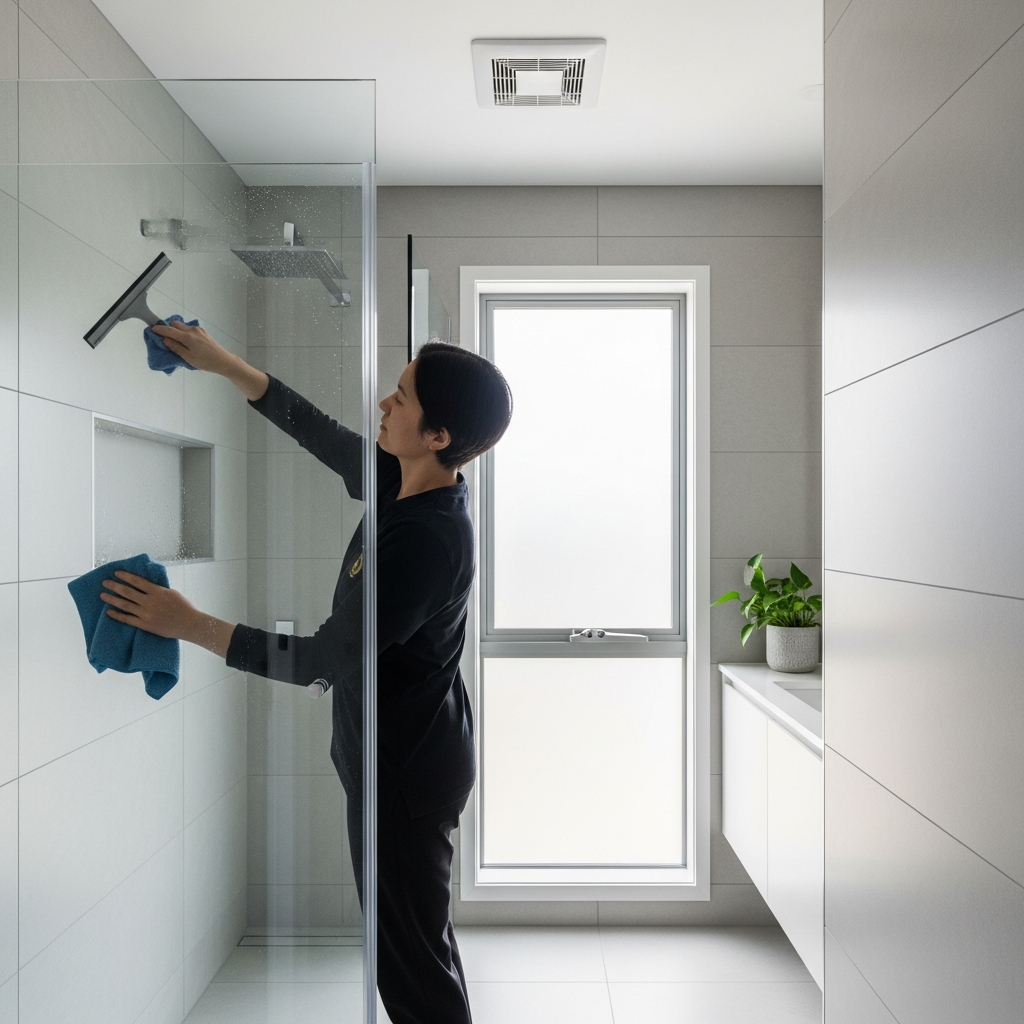
Daily habits help surfaces dry faster. Keep a small squeegee handy to clear glass panels and tile walls after showers. This takes under a minute and drastically reduces water spots and soap residue. Leave the shower door or curtain partially open when not in use to encourage airflow. If your bathroom has a window, crack it briefly for cross-ventilation on mild days, balancing privacy and comfort. Even with good airflow, a quick towel-dry of counters and around the sink prevents mineral deposits from leaving dull rings.
Cleaning Routines That Respect Your Finishes
The cleaning products you choose matter. Porcelain tile and quartz counters typically want pH-neutral cleaners. Avoid harsh abrasives or acidic products that can etch, dull, or degrade grout and sealants. A mild, non-scratching cleaner and microfiber cloth handle most tasks. For natural stone, always use stone-safe, pH-neutral formulas and follow the manufacturer’s guidance on sealing schedules. Glass shower panels respond well to a squeegee after use and a weekly wipe with a non-ammonia glass cleaner to prevent buildup without streaks.
Grout care varies by type. Traditional cementitious grout benefits from sealing to resist staining; how often depends on product recommendations and usage. Many modern bathrooms use high-performance or epoxy grouts that resist water and stains better; these usually do not require sealing but still appreciate gentle cleaning. To avoid discoloration, rinse away cleaner residue and dry surfaces where possible, especially in corners where moisture can linger.
Protecting Metal Finishes and Fixtures
Faucet and shower trim finishes—whether polished chrome, brushed nickel, matte black, or warm brass—look their best when cleaned with soft cloths and gentle soaps. Hard water spots can show up over time, particularly if water evaporates on surfaces. Wipe fixtures dry after use and avoid scouring pads or gritty powders that can scratch protective coatings. If you notice buildup around aerators, unscrew them periodically to rinse sediment and maintain smooth flow. Shower heads benefit from occasional descaling: remove and soak the head following the manufacturer’s guidance, then flush to restore spray patterns.
Pay attention to drain covers, as hair and soap residue can restrict flow. A quick weekly check and removal of trapped debris keeps water moving and prevents standing water around your ankles—a small step that also protects grout lines and sealants by minimizing prolonged contact with soapy water.
Silicone, Caulk, and Movement Joints
Even the tightest tile work relies on flexible joints at changes of plane—corners, where walls meet floors, around the tub, and along the perimeter of a shower. Inspect these silicone or hybrid sealant lines a few times a year. If you spot gaps, discoloration, or peeling, address them promptly. Removing compromised sections and applying fresh, mold-resistant sealant prevents water from creeping behind tile where it can do hidden damage. This task is manageable for many homeowners with careful prep and patience, or you can schedule a quick service call for a crisp result.
Grout cracks can signal movement or settling, which is not uncommon in our area. Small hairline cracks may be reparable with touch-up grout, while recurring issues might merit a professional evaluation to check for substrate movement or inadequate support. Catching these details early helps you avoid moisture intrusion that shortens the life of finishes.
Ventilation Systems: Quiet, Clean, and Effective
A bathroom exhaust fan is a workhorse in San Lorenzo’s climate. Keep it working efficiently by vacuuming dust from the grill and nearby surfaces every few months. If your fan has a removable cover, pop it off to clean the blades and housing carefully with a soft brush. Excess dust reduces airflow and can increase noise; cleaning restores both performance and quiet operation. Consider testing the fan by placing a tissue near the grill—the suction should hold it in place. If it does not, you may need a deeper clean, a new backdraft damper, or a fan upgrade.
Supplement ventilation with good habits: run the fan during baths, squeegee after showers, and avoid drying wet towels inside tiny, unventilated nooks. In smaller San Lorenzo homes with one central bath, good ventilation practices are especially important because that space serves many needs throughout the day.
Countertops, Cabinets, and Wood Elements
Quartz countertops are popular for a reason: they resist stains and clean up easily with mild soap and water. Still, wipe spills promptly and avoid placing hot tools directly on the surface. For natural stone, stick to stone-safe cleaners and reseal on a schedule appropriate to the stone type and traffic. Matte finishes hide fingerprints but still deserve gentle care to avoid polishing patches into a sheen over time.
For cabinets and wood details, a slightly damp microfiber cloth removes dust and splashes. Dry thoroughly, especially around door edges and drawer fronts where water can seep in and swell the substrate. Check hinges and hardware occasionally; a small turn of a screwdriver can realign doors or snug a loose pull, keeping everything feeling tight and new. Avoid leaning wet towels on wood for extended periods, and use hooks and bars where airflow allows fabrics to dry quickly.
Glass, Mirrors, and Spot Prevention
Glass shower enclosures look crisp when cared for daily. The simplest system is squeegee after each use, then a weekly clean with a non-abrasive formula. If your glass has a factory-applied protective coating, follow the product guidance to maintain it—often it simply means avoiding harsh chemicals that strip the layer. For mirrors, spritz a small amount of cleaner onto a cloth rather than spraying the mirror directly, which can drive moisture behind the glass and into the backing. This is especially helpful in coastal-influenced areas where humidity is up and down day to day.
Mineral spots can appear as the water evaporates. Reduce them by wiping fixtures and glass soon after showers. In busy households, assigning a quick squeegee routine to the last person who showers each morning becomes second nature and keeps the room sparkling.
Floors and Grout Lines
Bathrooms see steady foot traffic, and San Lorenzo’s mix of weekend gardening, sports, and beach outings can track in fine grit. Sweep or vacuum floors regularly with a soft brush attachment, then mop with a pH-neutral cleaner. Avoid saturating the floor; a damp mop is plenty. Pay attention to transitions where baseboards meet tile and around toilets, as those areas can collect dust and moisture. Promptly address small grout discolorations with gentle scrubbing and rinse well to prevent cleaner residue from attracting more dirt.
Rugs add comfort, but use ones that dry quickly and do not trap moisture. Wash bathmats frequently, and let them dry completely between uses. Lift and clean under mats so water does not linger unseen, which can lead to musty odors.
Plumbing Checkups: Listen, Look, and Act Early
Water is a patient problem-solver; it will find the smallest pathway if given time. Catch issues early with periodic checks. Open the vanity and feel around supply lines and the P-trap for dampness. Look for dried mineral trails on shutoff valves, a subtle sign of slow seepage. If your toilet periodically refills without being used, it may need a flapper adjustment or replacement. These are small, inexpensive fixes that prevent bigger headaches.
In showers, watch for persistent puddles that do not drain or areas where grout stays wet long after use. That can indicate a drainage slope issue or clogged weep holes in a shower drain assembly. Early attention keeps water from lingering where it should not.
Seasonal Maintenance in the East Bay
Seasonal rhythms matter. In cooler, wetter months, increase your focus on ventilation and drying surfaces. Consider a small, quiet fan to circulate air on particularly damp days if your bathroom lacks natural airflow. In drier summer stretches, double down on dusting vents, cleaning window tracks, and checking sealants that may have experienced more expansion and contraction with temperature changes. Seasonal patterns also make good reminders to test GFCI outlets and replace light bulbs so the room stays bright and safe.
Because we live in an area with occasional seismic activity, ensure heavy mirrors and cabinetry remain securely fastened. Confirm that any anti-tip hardware is still tight, and replace missing bumpers or soft-close components that help doors and drawers function smoothly. While these items may not seem like “maintenance,” they preserve the integrity and feel of a finished space.
Organizing for Easy Upkeep
Maintenance is simpler when the room is organized. Use drawer dividers and bin systems to keep daily items accessible and prevent spills from migrating. Store cleaning supplies safely but nearby—a small caddy under the sink encourages quick touch-ups that prevent grime from taking hold. Hang towels on bars or hooks with space to dry, and rotate sets regularly. Label spare caulk and touch-up paint with purchase dates so you know when it is time to refresh.
If your remodel included a linen cabinet, dedicate a shelf to “maintenance essentials” like spare silicone, a squeegee, microfiber cloths, and pH-neutral cleaner. Keeping these within reach makes it easy to stick to a routine that protects your investment.
Warranty, Manuals, and Records
Hold onto product manuals and warranties for fixtures, fans, shower doors, and specialty materials. Note any maintenance schedules they recommend—such as filter changes for integrated systems or cleaning cycles for specialty glass coatings. Keep a digital folder with photos of the bathroom shortly after completion; this visual baseline helps you spot changes over time and provides documentation if a warranty claim is needed.
It is also wise to keep a record of paint colors, grout types, and tile SKUs. If a repair or replacement becomes necessary years from now, having exact specifications on hand streamlines the process and ensures a cleaner match.
Midlife Refresh Without a Full Remodel
Years down the road, you can freshen your bathroom without starting over. Re-caulk critical joints, replace tired shower door sweeps, upgrade a shower head for improved performance, or install updated LED bulbs with a warmer color temperature for a cozier feel. Swapping hardware finishes—towel bars, hooks, cabinet pulls—can subtly shift the room’s personality while respecting the core design. If your walls were painted with a moisture-resistant formula, a fresh coat in the same or a complementary color can revive brightness after years of exposure to humidity and cleaning.
These light-lift updates maintain the sense of newness and help your bathroom keep pace with the rest of your home without reopening walls or replacing major finishes.
Professional Help When It Counts
Even with excellent habits, there are moments to bring in pros: persistent grout discoloration despite cleaning, fans that remain noisy after a thorough dusting, or small leaks that need precise diagnosis. Early attention by a skilled technician saves money and protects finishes. If you are considering adding storage, upgrading ventilation, or making accessibility improvements later, consult trusted bathroom remodeling services to integrate the new elements smoothly with existing work.
For homeowners with older San Lorenzo properties, a check for legacy materials (like certain mastics or underlayments) before drilling or scraping is smart. Professionals know how to handle those safely, preserving your remodel and protecting your household.
Frequently Asked Questions
How often should I reseal grout or stone?
The schedule depends on the materials. Many cementitious grouts benefit from sealing every year or two, while epoxy or high-performance grouts typically do not need sealing. Natural stone counters or tiles may need resealing based on manufacturer guidance and household use. A quick water-drop test—seeing whether water beads up or darkens the surface—can help you decide when to reseal.
What cleaners are safest for my remodeled bathroom?
Use pH-neutral, non-abrasive cleaners for most surfaces, including porcelain tile, quartz, and many metals. For natural stone, use stone-safe formulas. Avoid harsh acids, bleach-heavy products on metal fixtures, and gritty powders that can scratch finishes or degrade protective coatings and sealants.
How do I prevent mold and mildew in a humid bathroom?
Ventilation and drying are key: run the exhaust fan during and after showers, squeegee glass and tile, and leave the shower enclosure partially open to let air circulate. Keep clutter off shower ledges where water lingers, and address any failing caulk promptly so moisture does not slip behind surfaces.
My fan is loud—is that normal?
Fans can get louder as dust builds up. Start with a thorough cleaning of the grill and housing. If noise persists, the fan may be undersized, the duct run could be restricted, or the unit may be at the end of its lifespan. An upgrade to a quiet, properly sized fan improves comfort and moisture control.
What is the best way to care for glass shower doors?
Squeegee after each use and do a weekly wipe with a non-ammonia cleaner. Check and replace the bottom door sweep if it wears out, and avoid abrasive pads that can scratch. If your glass has a protective coating, follow the manufacturer’s care instructions so you do not strip it.
How can I protect cabinets and wood in a damp room?
Dry splashes promptly, avoid hanging wet towels directly on wood, and ensure good ventilation. Periodically tighten hinges and pulls, and clean with a slightly damp cloth followed by a dry one to remove moisture. This keeps doors aligned and finishes looking fresh.
What routine prevents hard water spots on fixtures?
Wipe fixtures dry after use and clean gently each week. If you notice mineral buildup, follow the fixture manufacturer’s recommendations for descaling. Avoid harsh chemicals that can discolor or damage modern finishes.
When should I call a professional?
Seek help if you notice recurring grout cracks, persistent leaks, fan performance that does not improve after cleaning, or any warping or discoloration suggesting water intrusion. Prompt professional attention protects your investment and prevents more extensive repairs later.
Ready to Keep Your Bathroom Beautiful?
With a simple routine and the right products, your remodeled bathroom can look and perform beautifully for years in San Lorenzo’s unique climate. If you are planning upgrades or need expert help integrating better ventilation, storage, or accessibility, reach out to trusted bathroom remodeling experts who understand East Bay homes and can help you safeguard the style and function you worked so hard to create.