As a local remodeling professional who’s worked on a wide range of projects around La Mesa, I often get calls about aging outdoor spaces and the unique challenges they face here. One of the most common topics homeowners bring up is Decks in La Mesa, and for good reason: our coastal climate, sun exposure, and occasional heavy rains combine to create specific wear patterns that you won’t always find inland. In this article I’ll walk you through the typical problems I see, practical repair tips, and when it’s time to call a pro so you can keep your deck safe and inviting year-round.
Common structural issues and how they start
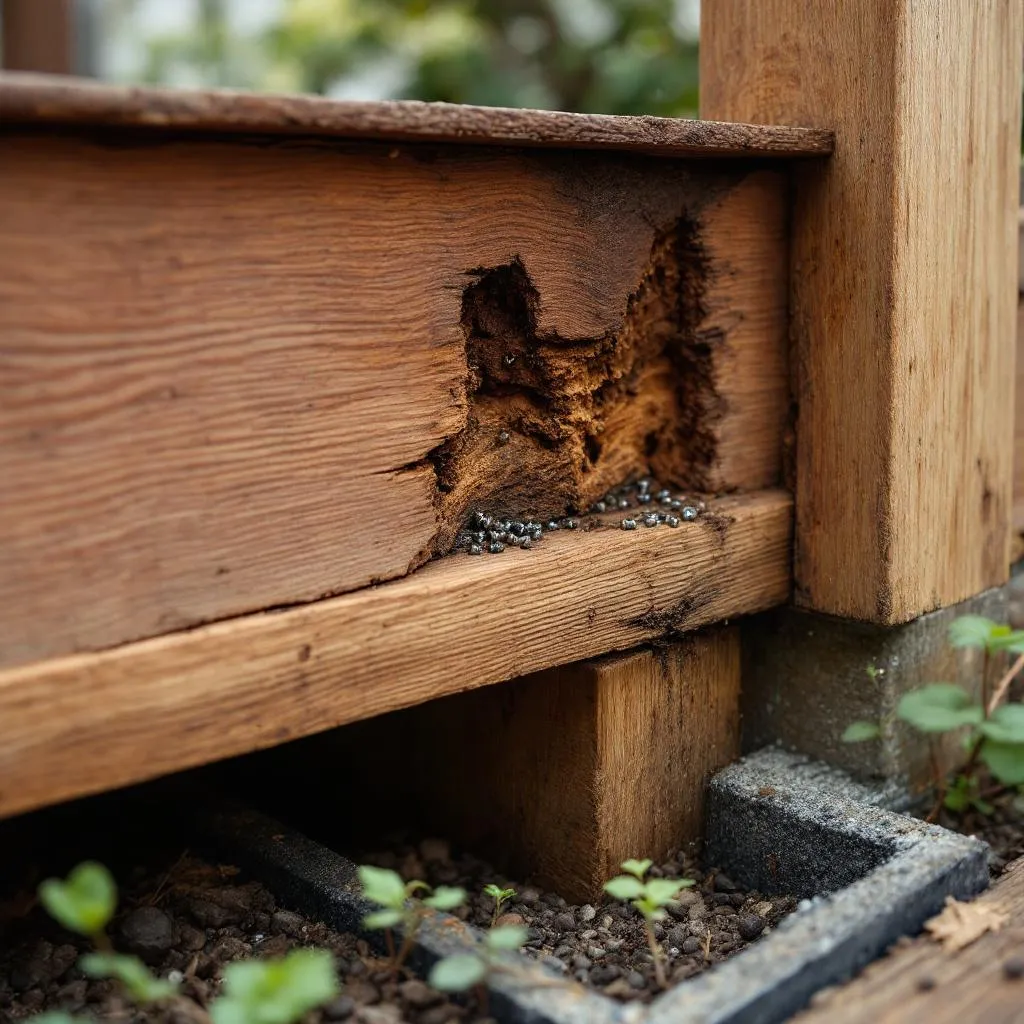
Most structural problems begin quietly. Posts can shift, ledger boards can pull away, and hidden rot often progresses until a board or railing becomes dangerously weak. In La Mesa, incompatible fasteners and untreated wood are frequent culprits because they accelerate corrosion and decay when exposed to humidity and irrigation. When I inspect a deck, I’m looking for soft spots underfoot, gaps around fasteners, and any movement where boards meet framing. Early detection means targeted repairs—replacing a few joists or strengthening connections is much less disruptive than rebuilding an entire structure.
Material deterioration: wood, composites, and finishes
Wood decks show their age differently than composite surfaces. Natural lumber can crack, cup, and splinter, and finishes wear off faster under our sun and watering patterns. Composites resist rot but still face issues with staining, mold in shaded areas, and loss of slip resistance when algae take hold. Regular cleaning, appropriate sealers for wood, and using the right cleaners for composites extends life significantly. I always recommend inspecting finish integrity at least once a year and addressing small problems—like a faded stain or surface mildew—before they turn into costly structural repairs.
Fasteners, hardware, and hidden weaknesses
Loose nails, corroded screws, and failed brackets are deceptively common and can cause aesthetic and safety problems. In salt-tinged air or where sprinklers frequently wet decks, galvanized fasteners can fail prematurely. Upgrading to stainless steel hardware and using through-bolts for key connections prevents many issues. When I replace hardware I also check for unseen damage at ledger attachments and beam seats; sometimes the visible boards look fine while the framing behind them needs attention. Reinforcing those connections is a small time investment that yields big safety returns.
Drainage, grading, and water management
Water is the enemy of deck longevity. Poor drainage, soil contacting posts, and nearby irrigation can create persistent moisture that fuels rot. Simple fixes—improving slope away from the house, adding gravel under posts, or rerouting sprinkler heads—make a huge difference. I frequently advise homeowners to look up as well as down: flashing at the ledger and a small gap where the deck meets the house help keep water from seeping into framing. Proper drainage planning often prevents future repairs and extends the life of finishes and fasteners.
Midway through any project I remind homeowners that maintenance habits matter. A quick spring cleaning, resealing every few years for wood, and swapping out failing hardware when discovered keeps small problems from growing. If you’re wondering whether a repair is cosmetic or structural, I’ve found that a hands-on inspection almost always clarifies the scope. For residents who prefer a shortcut, simple upgrades like replacing loose boards and adding a few stainless screws go a long way toward stabilizing the surface.
Decks in La Mesa: local environmental considerations
Understanding local conditions is key. Plants and trees common to our neighborhoods drop leaves and retain moisture in shaded corners, and that microclimate creates hotspots for mildew and rot. I tailor recommendations to each yard: sometimes that means selecting a different decking profile for better water runoff, and other times it’s installing a small gap between the deck and a retaining wall to allow air circulation. These localized adjustments are part of why an experienced local eye can save time and money in the long run.
When to repair versus when to replace
Deciding whether to repair or replace depends on the age of the deck, the extent of hidden damage, and your long-term plans for the property. If issues are isolated—one or two joists, several boards, and failing fasteners—targeted repairs make sense. But when rot is widespread in framing, or the ledger connection shows major decay, replacement is the safer choice. I help homeowners weigh durability, aesthetics, and long-term maintenance needs so they can make an informed decision that fits their lifestyle.
FAQ
Q: How often should I inspect my deck? A: Inspect visually at least twice a year and after major storms; do a hands-on check of railings and ledger connections annually.
Q: Can I power-wash my deck to clean it? A: Yes, but use low pressure for wood to avoid fiber damage; composites need a gentle cleaner recommended by the manufacturer.
Q: What fasteners should I use in La Mesa? A: Stainless steel is the most reliable choice here because it resists corrosion from moisture and irrigation spray.
Q: Is sealing necessary for composite decks? A: Most composites don’t need sealers, but shaded areas may benefit from occasional cleaning to prevent mold and maintain slip resistance.
Next steps for your deck
If your deck shows signs of wear or you’d like a professional safety check, reach out to a local team who knows our microclimates and building practices. I often start with a brief walk-through to prioritize repairs and recommend materials that suit our weather. For homeowners in need of experienced, local care for Decks in La Mesa, scheduling an inspection is the best next move to protect your investment and enjoy your outdoor space with confidence.
Palm Construction CA
7317 El Cajon Blvd, 178, La Mesa, CA 91942
Phone: +1 619-782-5637