As a local contractor who has worked on yards up and down the neighborhood, I’ve learned that caring for outdoor spaces is more than occasional sweeping — it’s about protecting an investment. In West Covina, the sun, occasional heavy rains, and seasonal temperature swings all influence how long a deck will look good and perform. If you want to keep your outdoor living space safe and beautiful, start with a plan tailored to our climate and materials. One resource I recommend to neighbors looking for professional support is Decks in West Covina, which connects homeowners to experienced deck specialists.
Understanding Local Climate and Material Choices
West Covina sits in a Mediterranean-influenced zone where dry summers and wetter winters can stress wood and composite materials in different ways. Pressure-treated lumber swells when it absorbs moisture and contracts in dry heat; composites resist rot but can fade or become brittle over long exposures. Choosing materials is the first defensive step. Consider species and finishes designed to withstand UV exposure and periodic moisture. When I advise clients, I discuss how shading, nearby vegetation, and drainage patterns will affect material longevity so the deck is appropriate for your yard’s microclimate.
Routine Care That Prevents Big Problems
Routine cleaning and inspections are the heart of long-term deck care. I tell homeowners to establish a seasonal rhythm: remove debris and sweep thoroughly after storms, rinse off spilled oils promptly, and watch for early signs of mold or mildew. Small cracks, loose fasteners, and soft spots are easy to repair if caught early; left unattended they can lead to structural issues. A gentle detergent and a soft-bristle brush go a long way. Avoid aggressive pressure-washing unless you know the correct settings and techniques, as too much pressure can erode wood fibers and damage finishes.
Decks in West Covina: Protective Finishes and Their Lifespan
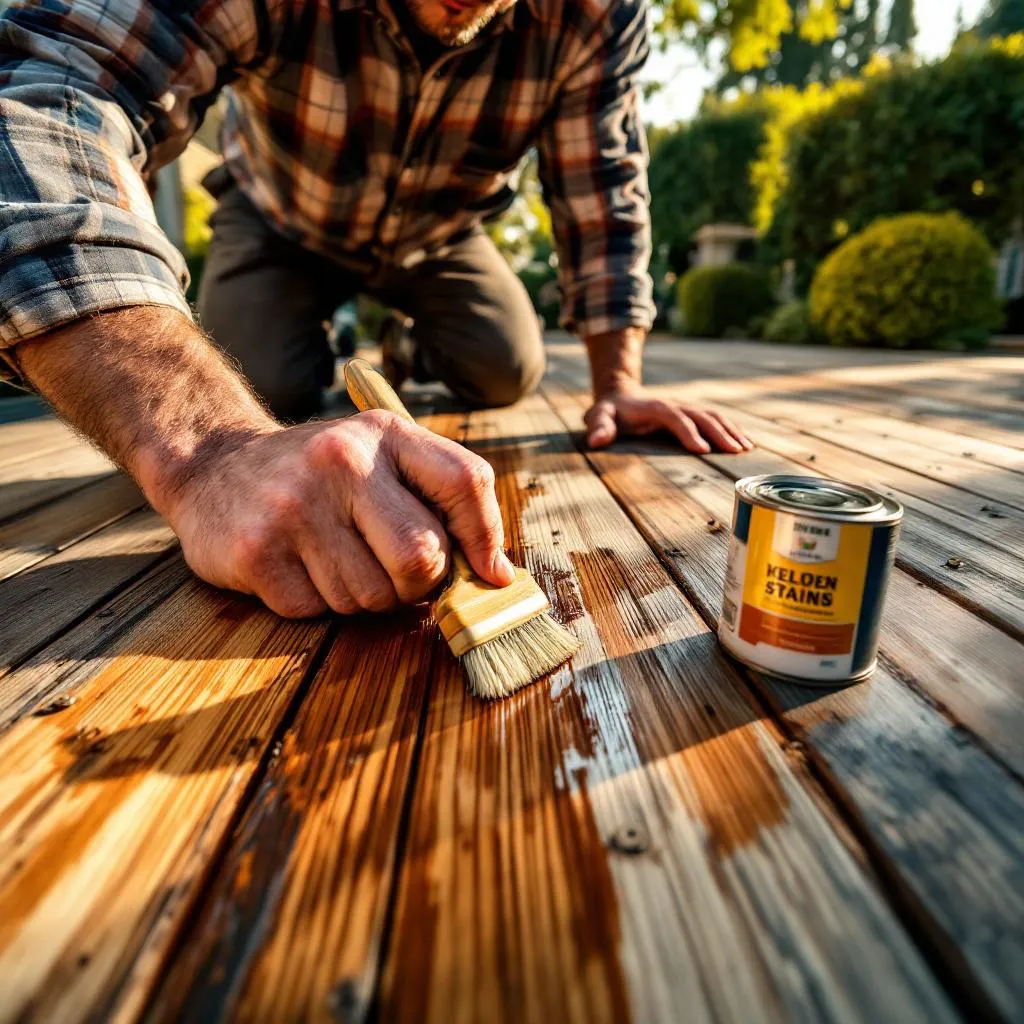
Protective finishes are a major factor in how long a deck lasts. Clear sealers show natural grain but require more frequent reapplication, while semi-transparent stains offer UV protection with a bit more color stability. Solid stains impart the most protection but change the look significantly. I encourage homeowners to test finishes on small, inconspicuous areas before committing. Reapplication schedules vary by product and exposure: some coatings last a few years, others can protect for a decade. Local experience helps determine what stands up best to our sun and temperature swings.
Inspection and Structural Maintenance
Beyond aesthetics, safety is paramount. With time, fasteners corrode, joists can hollow out at cut points, and rail connections loosen. Every year, inspect the ledger where the deck meets the house, check for sagging boards, and look under the deck for signs of water pooling. If you see any rot or loose framing, it’s a sign to bring in a professional before small problems become hazardous. I’ve repaired many decks where a handful of replaced joists and tightened connections extended the lifespan dramatically.
Smart Upgrades That Pay Off
Sometimes the best long-term strategy is a targeted upgrade. Replacing exposed fasteners with stainless steel, improving drainage beneath the deck, or adding a UV-resistant cap treatment to railings can add years of service. Lighting, non-slip finishes near entries, and careful plant placement to limit moisture contact also protect surfaces. When neighbors ask where to start, I often point them toward local professionals who understand our regional conditions — and that’s another reason many people consult Decks in West Covina to coordinate sensible, durable upgrades.
Maintenance Scheduling and Seasonal Tips
Make maintenance part of your calendar. Late winter is a good time for a close inspection after rainy months, while early spring is ideal for cleaning and applying finishes before the intense summer sun. Trim back vegetation in late spring to allow airflow and sunlight to dry the deck surface. If your deck sits in a shaded area, be extra vigilant for moss and mildew during cooler months. These small seasonal actions prevent large repairs and help keep the deck safe for family use year-round.
Frequently Asked Questions
Q: How often should I reseal or restain my deck?
A: It depends on the material and exposure. Many wood decks need attention every 2–4 years, while some high-quality coatings and composites can last longer. Regular inspections tell the true story.
Q: Can I pressure-wash my deck?
A: Yes, but with caution. Use a fan nozzle and moderate pressure, keep the wand moving, and stay at a safe distance to avoid gouging wood. Test on a small area first.
Q: What signs indicate structural problems?
A: Soft spots, significant sagging, visible rot at beam connections, and wobbling railings are all warning signs that require professional evaluation.
Q: Are composite decks maintenance-free?
A: No material is completely maintenance-free. Composites resist rot and insect damage but still need cleaning, debris removal, and occasional care to avoid staining and fading.
If keeping your outdoor space dependable and attractive matters to you, take an informed approach that combines proper materials, seasonal care, and expert help when structural questions arise. For homeowners who want a local partner, I regularly recommend professionals who specialize in our neighborhood’s needs and conditions. To start a conversation about protecting your investment and extending its life, connect with trusted local installers at Decks in West Covina. These teams understand the specifics of West Covina maintenance and can help you prioritize the right repairs and upgrades.
Palm Construction CA
1730 W Cameron Ave #200, West Covina, CA 91790
Phone: +1 562-625-2600