
The Realities Beneath Beautiful Floors
Anyone who has lived through a flooring project in La Mesa knows that the final reveal rests on a hundred quiet decisions—most of them invisible. Our warm, bright climate, concrete slabs, and the occasional Santa Ana winds ask a lot of a floor. When something goes wrong, it usually traces back to preparation, moisture, or movement. The good news is that with a little local insight and a disciplined process, most problems are preventable and fixable. Whether you’re in a Mount Helix hillside home or a bungalow near the Village, partnering early with knowledgeable flooring services helps you spot issues before they surface and keep your project smooth from demo to final clean.
Let’s look at the issues we encounter most often and how a smart plan—backed by proper materials and methods—turns potential pitfalls into non-events. Along the way, you’ll see why the unglamorous steps matter as much as the beautiful finish.
Moisture Mysteries: Slabs, Spills, and Seasonal Swings
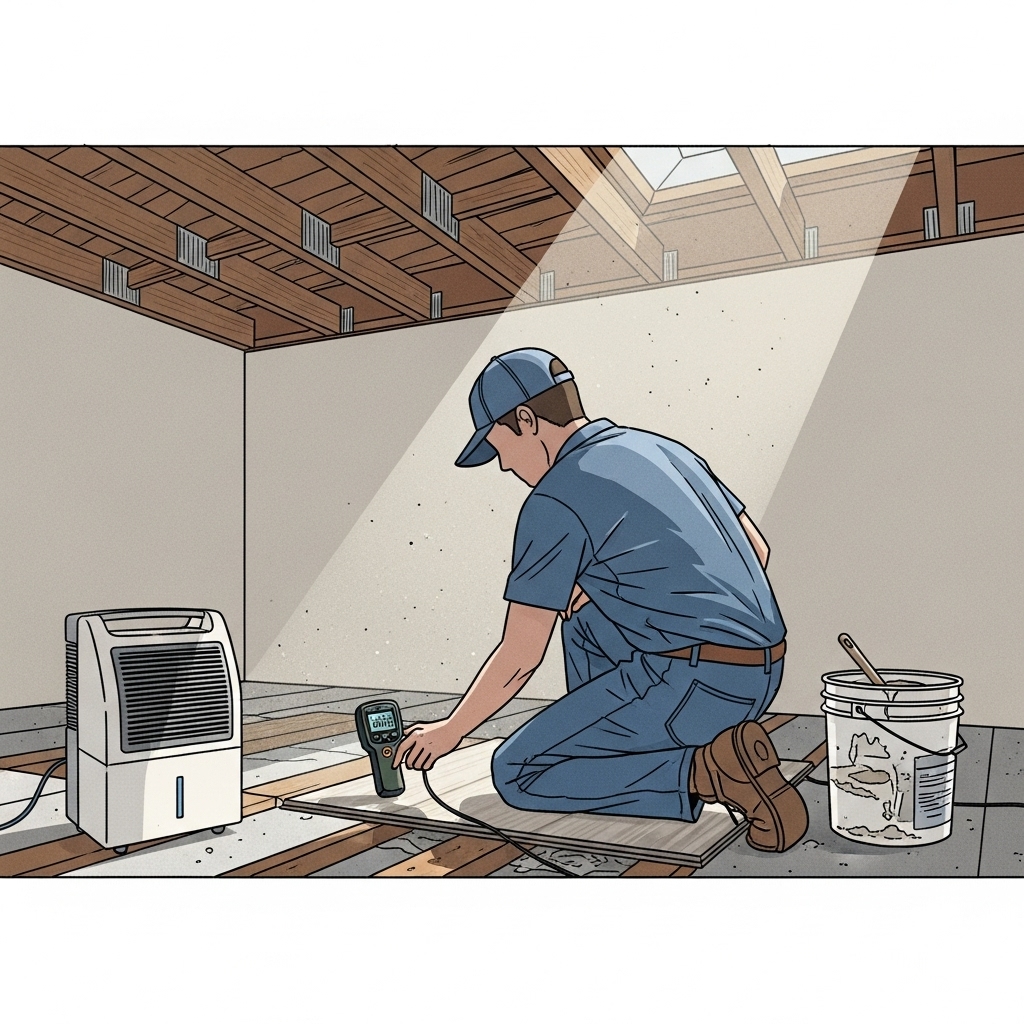
Even in our relatively dry climate, moisture finds ways to complicate floors. Concrete slabs can carry residual moisture from the ground, and short bursts of heavy rain test entries and low spots near sliders. Without moisture testing, adhesive choices become guesswork, and problems like cupping wood, hollow-sounding tile, or loose vinyl can follow. The fix starts with data: take moisture readings, evaluate vapor emission rates, and select systems designed for the numbers you see. Where readings run high, mitigation systems or specific primers create a stable foundation for the finished material.
Inside the home, kitchens, bathrooms, and laundry rooms ask for waterproof or highly water-resistant surfaces, plus edge details that keep water from slipping underneath. A small bead of the right sealant at a tub edge or a well-executed transition at a laundry threshold look insignificant until they save you from a swollen plank or a stained subfloor. In La Mesa, good moisture management is a quiet ally—you rarely notice it because it keeps problems from appearing in the first place.
Flatness and Leveling: The Hidden Craft
Uneven slabs are common in older homes and in spaces that have seen multiple remodels. Laying large-format tile or wide planks over humps and dips invites trouble: lippage at tile edges, gaps at plank ends, and annoying creaks. The remedy is to measure and correct. Self-leveling compounds, patching, and careful grinding bring surfaces into tolerance. It is tedious work, but it pays you back every day with a smooth, even floor that looks and feels right.
Stairs deserve special attention. Treads with inconsistent heights or noses that aren’t square become both safety risks and eyesores. Rebuilding or capping stairs to consistent dimensions is the kind of detail that separates a quick fix from a professional result. The first time you walk them without a stutter step, you’ll understand why fussing over these measurements matters.
Sound and Movement: Taming Squeaks and Echo
Open-plan living amplifies sound, and hard surfaces can turn footsteps into percussion. Underlayments designed for acoustics do heavy lifting here, damping vibrations and reconciling slight subfloor imperfections. In multi-story homes, the benefit is obvious: bedtime conversations upstairs don’t wake the early birds downstairs. On stairs, anti-slip treads and solid attachment quiet creaks and add confidence to every step.
For existing squeaks in raised-floor areas, the fix often lies below: re-anchoring the subfloor, adding screws where nails have loosened, and bridging gaps. These interventions are simplest before new flooring goes in, but even after installation, targeted repairs can tone down hotspots. The goal isn’t absolute silence; it’s a composed soundscape that supports everyday life.
Expansion, Contraction, and the Art of Movement Joints
Materials move with temperature and humidity, and our La Mesa cycles—warm days, cooler nights—mean expansion and contraction are daily realities. Wood-based floors need expansion gaps at perimeters, doors, and fixed objects. Tile requires movement joints at intervals and in sun-exposed rooms to relieve stress that could otherwise telegraph as cracks. Skipping these allowances is a gamble; honoring them protects your investment without changing the look of your space.
Transitions help manage movement, too. When surfaces meet—tile to wood, vinyl to carpet—the right profile preserves expansion space and keeps edges protected. These small pieces have outsized impact, preventing corners from chipping and thresholds from becoming tripping hazards.
Sun, Fading, and Finish Choices
La Mesa light is a gift, but unfiltered UV can alter tones over time. Matte and satin finishes help hide micro-scratches and reduce glare, while UV-stable coatings on engineered wood and LVP preserve color. Using window treatments or films where afternoon sun hits hardest keeps surfaces consistent. Rotating rugs and rearranging furniture seasonally distributes wear and fading, preventing stark contrasts. If you’re restoring a sun-affected floor, refinishing with a slightly adjusted tone can even out the field and refresh the space without a full replacement.
Tile benefits from grout choices that anticipate sun and traffic. A grout one shade darker than the tile reads crisp longer and doesn’t advertise every mop line. Sealed cement-look tiles maintain their nuance when protected from harsh cleaners and UV, ensuring the style ages gracefully rather than prematurely.
Grout, Stains, and the Cleanability Equation
Grout lines are often the first places to show wear. In kitchens and entries, where dust and spills converge, grout collects evidence of daily life. Choosing stain-resistant formulations and sealing where appropriate reduces maintenance. Larger-format tile also cuts the number of grout lines, which is a visual and practical win. In showers, epoxy or high-performance grout eliminates the need for frequent scrubbing and keeps lines uniform over time.
Daily care plays its part. Manufacturer-approved cleaners protect finishes and keep residues from building. In homes with pets or young children, a quick routine—dry sweep, spot mop—goes farther than occasional deep cleans. A floor designed for easy maintenance invites consistent care, and that consistency is what preserves the just-installed look.
Pet Wear, Scratches, and Everyday Traffic
Claws, toys, and furniture rearrangements leave their mark. The fix isn’t to live carefully; it’s to select surfaces that anticipate reality. LVP with a robust wear layer shrugs off many scratches, and engineered wood with a matte, wire-brushed texture disguises the rest. Felt pads under chairs, protective glides under sofas, and entry mats that catch grit take pressure off finishes without changing how you live.
In backyards with pool access, plan for wet feet and sandy sandals. A lightly textured tile at the entry shows less and grips better, while a water-resistant floor inside manages the transition without swelling or staining. It’s all about channeling the traffic you know you’ll have and specifying materials that make that traffic a non-issue.
Repairs, Patches, and Blending Old with New
Many La Mesa homes carry layers of history—original hardwood in one room, a later tile addition, and a recent plank in the hallway. When repairs arise, blending is an art. Feathering in new planks with a board replacement technique, lacing in at doorways, or selecting a stain that lands between existing tones can make an old-new junction read intentional. For tile, precise color matching on grout and thoughtful layout adjustments disguise the patch. The goal is editorial: viewers see the whole composition, not the sentence you rewrote.
When damage is localized—say, a pet accident or a water leak—modular approaches shine. Click-together floors allow selective plank replacement; carpet tiles swap without drama. Designing with repair in mind from the start is a powerful way to extend the life of your floors while keeping them looking composed.
When DIY Meets Reality
There’s pride in doing it yourself, and many projects succeed. But recognize the thresholds where professional help pays for itself: slab moisture mitigation, large-format tile layout, stair reconstruction, and occupied-space phasing for families or businesses. These are the places where tools, experience, and coordinated scheduling turn a high-stakes challenge into a smooth day’s work. Bringing in pros doesn’t diminish your role; it raises the odds that your vision will survive contact with real-world conditions.
Communication is the constant. A walk-through with your installer before materials arrive surfaces questions about transitions, baseboards, and door undercuts. Clarifying expectations at this stage prevents costly resets and accelerates the path to a satisfying finish.
Mid-Project Course Corrections
Even with a careful plan, surprises emerge—an out-of-level doorway, a hidden patch of old adhesive, or a subfloor that tells a different story once exposed. Treat these moments as opportunities to fine-tune, not setbacks. Adjusting plank direction to follow the primary light, shifting grout color to harmonize with cabinetry, or switching to a different transition profile preserves the integrity of the space. Problems become design decisions, and the final result reads more intentional than if you had forged ahead blindly.
At this inflection point, having responsive flooring services on your side is invaluable. A team that can pivot without sacrificing quality keeps momentum high and protects your budget from the domino effects of hasty choices.
Safety, Accessibility, and Confidence Underfoot
Good floors quietly protect. Slip-resistant textures in bathrooms, low-profile transitions at doorways, and well-defined stair noses prevent mishaps. In homes with aging residents, these features support independence without broadcasting their presence. For families, the same details keep kids steady and pets sure-footed. Safety is an aesthetic, too; when edges are tidy and surfaces even, rooms feel composed and careful.
Lighting can reinforce safety. Floors that reflect light softly, paired with thoughtful fixture placement, eliminate harsh glare and deep shadows. This makes night navigation easier and daytime living more comfortable. In La Mesa’s bright context, these subtleties have outsized effects.
Preservation and Long-Term Care
Once your floor is in, the long game begins. A light, regular cleaning routine and seasonal adjustments—rotating rugs, checking felt pads, refreshing sealants where applicable—keep materials performing. When you plan a furniture swap or a new appliance, protect floors during the move. These habits are simple, and they accumulate into years of easy enjoyment rather than cycles of repair.
If a refinish is in your future for engineered wood, consult the product’s wear layer specifications to understand what’s possible. Many modern floors allow a light screen and recoat that revives sheen without a full sand-down, giving you a second wind with minimal disruption.
FAQs
Q: Why do tiles sometimes sound hollow after installation?
A: Common causes include insufficient mortar coverage, uneven subfloors, or premature traffic before curing. Proper prep, the right trowel technique, and honoring cure times prevent this and keep tiles solid underfoot.
Q: How can I stop my engineered wood from gapping?
A: Maintain recommended humidity, leave proper expansion gaps, and use acclimated materials. In La Mesa, seasonal swings are modest, but respecting movement rules keeps seams tight.
Q: What’s the best approach for pet-friendly floors?
A: Choose scratch-resistant surfaces like LVP or a wire-brushed engineered wood, add felt pads to furniture, and place mats at entries to capture grit. These steps reduce wear without changing how you live.
Q: How do I handle fading in sunny rooms?
A: Select UV-stable finishes, manage sun with shades or films, and rotate rugs periodically. If fading occurs, a targeted refinish can restore balance and refresh the space.
Q: Can I repair a small area without replacing the whole floor?
A: Often, yes. Click-together planks and carpet tiles allow selective replacement, and skilled installers can lace in new boards or patch tile with careful color matching.
Q: What should I ask before installation starts?
A: Confirm moisture test results, leveling plans, transition profiles, and protection protocols during curing. Clear answers here predict a smooth installation and a longer-lasting floor.
Ready to Solve Your Flooring Challenges?
Every home carries its own story, and every floor can be tuned to match it. If you’re confronting squeaks, sun fade, uneven slabs, or a remodel that needs a steadier footing, bring in help that treats problems as chances to refine your space. For clear diagnostics, practical solutions, and workmanship that holds up to La Mesa living, connect with experienced flooring services and take confident steps toward a quieter, safer, longer-lasting floor.