Ask any long-time San Lorenzo homeowner what defines a successful kitchen remodel, and you will hear a similar refrain: it is less about a single number and more about how the choices you make align with the way you live, cook, and gather. As a local who has walked countless homes from San Lorenzo Village to the edges of Ashland and Cherryland, I have seen how our community’s mix of mid-century bungalows and modest ranch homes responds to careful planning and thoughtful design. In this guide, we will unpack the factors that shape the average kitchen remodeling cost in San Lorenzo without quoting figures, focusing instead on the real-world decisions that drive your investment. Along the way, I will share the local insights that help projects move smoothly, from permitting to finishes, and point you toward resources like professional kitchen remodeling support when you are ready to take the next step.
Understanding what “average” really means in San Lorenzo
San Lorenzo is an unincorporated pocket of Alameda County where many homes date from the 1940s through the 1960s. Kitchens in these houses were designed for a different era: smaller footprints, more closed-off layouts, and materials that have stood the test of time but now show their age. When people ask about the “average” cost, they usually want a quick benchmark. Yet in practice, that average is a blend of refreshes, pull-and-replace updates, and full reconfigurations. A refresh might preserve the layout while rejuvenating surfaces and lighting. A pull-and-replace often keeps plumbing and appliance locations but upgrades nearly everything else. A full reconfiguration might open walls, relocate utilities, or transform a galley into a connected, light-filled hub. Each of these paths sits on a different rung of investment, and the final result depends on how far you travel up the ladder.
How scope sets the tone: refresh versus reimagination
Scope is the quiet force that shapes your budget. In our San Lorenzo housing stock, a careful refresh can breathe new life into solid bones: bright paint over old paneling, modern cabinet fronts where boxes are sturdy, improved task lighting under the uppers, a resilient floor that handles kids and pets, and a backsplash that nods to the era without feeling trapped in it. On the other end, a reimagination of the space might mean opening a wall to the dining room, vaulting a low ceiling where truss design allows, or converting an underused breakfast nook into essential storage. The latter approach triggers increased coordination with structural, mechanical, and electrical considerations. It often involves more design time, a longer permit process, and careful scheduling, all of which affect the overall picture of what an “average” project entails.
Materials that wear well in East Bay kitchens
Beyond scope, your material palette plays a major role. For cabinets, the choice between repainting existing boxes, installing semi-custom lines, or commissioning local custom work with specialty inserts shapes both function and feel. Countertops can lean toward stain-resistant engineered surfaces or the tactile character of stone, each with distinct maintenance habits. Large-format tile or luxury vinyl plank can be kind to busy households, while site-finished hardwood, though beautiful, may demand more care near a sink or dishwasher. In our climate, where mornings can be cool and afternoons warm, choosing materials that handle expansion, moisture, and daily wear matters more than chasing fleeting trends. The goal is to curate a set of finishes that reflect your taste and make everyday cleanup easy without constant fuss.
Layout changes: opening walls, rerouting utilities, and working with structure
Many San Lorenzo kitchens feel compact until you examine how adjoining rooms relate to them. Sometimes a shallow pantry encroaches on the work triangle, or a non-structural partition blocks a line of sight. In select cases, removing or altering a wall can transform flow, but it requires a clear structural plan. Mid-century homes here often feature conventional framing, yet there are surprises: odd beam spans, altered joists from old projects, or seismic retrofits that need to be respected. When the remodel involves relocating sinks or ranges, plan for plumbing and gas line runs and ensure proper makeup air and ventilation for cooking. Even moving a refrigerator to an interior wall may call for water line extensions and careful routing to avoid slab penetrations or crawlspace access concerns.
Electrical, lighting, and modern safety standards
Many older San Lorenzo homes were not wired with today’s appliance loads in mind. A well-planned remodel accounts for appropriate circuits for high-demand appliances, up-to-date safety devices, and coordinated lighting layers that transform the room after sunset. Recessed cans, pendants over the island, toe-kick night lighting, and under-cabinet strips can elevate task performance and ambiance. If you are considering induction cooking, speak early with your design-build team about panel capacity and circuit layout. Integrating lighting controls and smart devices now can prevent opening walls again later. As always, coordinating inspection milestones helps ensure your upgrades satisfy the latest codes so that form and function work hand in hand.
Plumbing realities in mid-century homes
Hidden pipes tell a story. In some homes, original galvanized lines linger; in others, partial retrofits over the years have created a patchwork of materials. During a remodel, it is wise to evaluate supply lines, shut-off valves, and drainage slopes. If you are shifting sink or dishwasher locations, planning gentle transitions and proper venting maintains reliable performance. Likewise, if you intend to swap a range for a cooktop and separate wall oven, consider how that influences both gas and electrical routing and the cabinetry that houses them. Thoughtful planning here protects the investment you make in your visible finishes.
Ventilation, indoor air quality, and comfort
Cooking is joyful and aromatic, but proper ventilation is essential. Many older homes rely on recirculating hoods that do little to remove steam or particulates. During a remodel, an upgraded vent hood, correctly ducted to the exterior, protects walls, cabinets, and indoor air quality. Some jurisdictions require makeup air at certain performance thresholds, so consult your team during design rather than learning about it mid-installation. In our temperate but variable Bay Area climate, balancing fresh air with energy efficiency is part of a well-rounded plan, ensuring the kitchen stays comfortable during weekend baking marathons and weeknight stir-fries alike.
Permitting and inspections in unincorporated Alameda County
Because San Lorenzo is unincorporated, building permits and inspections run through Alameda County rather than a city office. The process typically begins with a clear set of plans that show scope, layout, and code compliance. Plan review looks at safety, energy performance, and green building measures. Coordinating inspections at the right moments—after rough plumbing and electrical, before insulation, and then final—keeps momentum. Working with a team that has standing relationships with local inspectors can smooth communication and help set realistic expectations around timelines. It is not just about getting a stamp; it is about ensuring your kitchen meets standards that keep your family safe and comfortable for the long haul.
Title 24, CALGreen, and energy-smart choices
California’s energy and green building requirements influence everything from lighting to faucet flow rates and waste diversion. Title 24 encourages efficient lighting systems and controls, while CALGreen looks at water savings, material sourcing, and construction debris recycling. When factored into design early, these standards become an ally rather than a hurdle. LED fixtures, motion sensors for pantry lights, and water-wise faucets are small decisions that add up to everyday convenience and long-term savings. Approaching these items proactively avoids mid-project pivots and supports a more predictable schedule.
The middle mile: coordinating trades, lead times, and site logistics
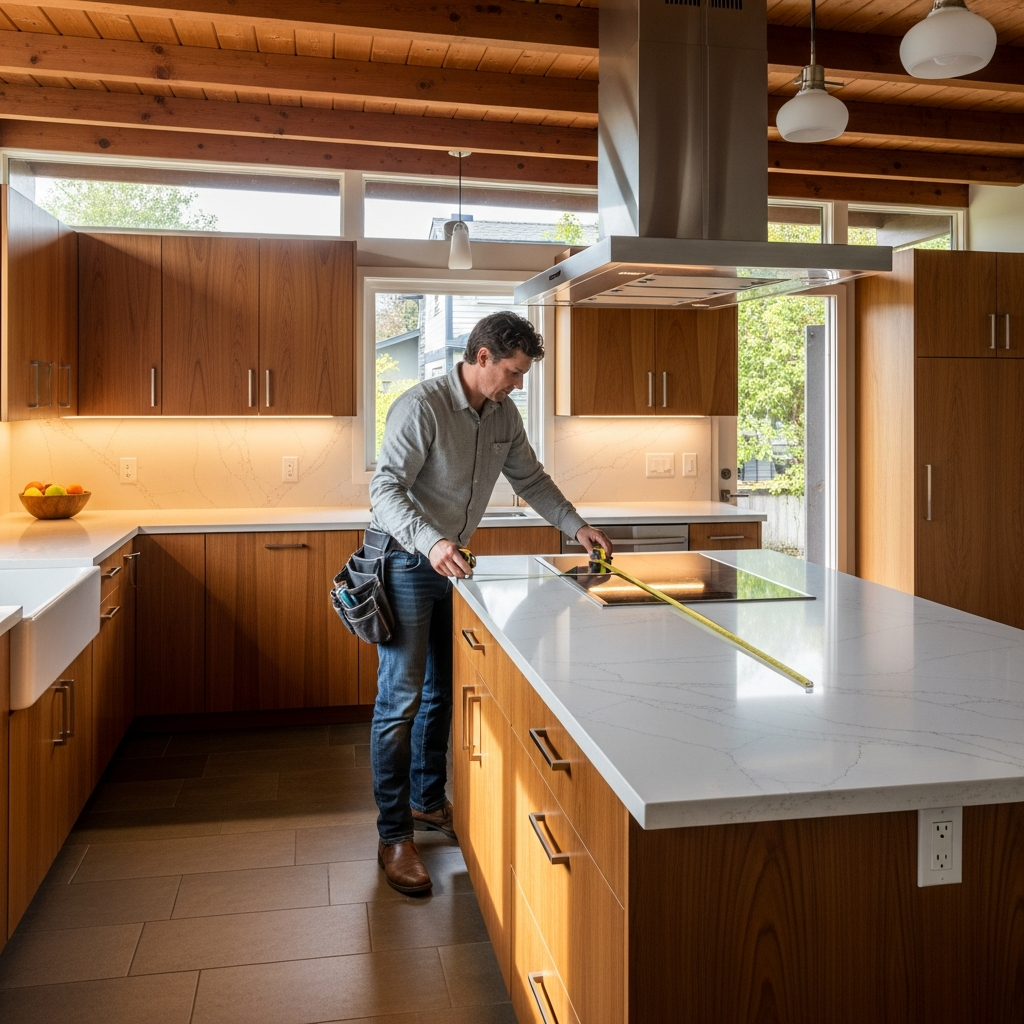
After demolition reveals the true condition of the space, the middle mile of a remodel is all about coordination. Cabinets and appliances have their own lead times. Countertop fabricators measure after cabinets are secured. Tile installers follow waterproofing and substrate prep. In San Lorenzo’s tight lots and narrower streets, scheduling deliveries to avoid conflicts with school drop-offs or commuter patterns shows respect for neighbors and reduces headaches. A seasoned team will anticipate these rhythms, communicate any surprises uncovered in the walls, and propose sensible solutions that maintain momentum. This is also the stage where working with a professional team that offers comprehensive kitchen remodeling services can keep all the moving parts synchronized so your project stays on track.
Hidden conditions and how to plan for them
Older homes can conceal stories behind their plaster or drywall. Occasional termite trails near sill plates, ungrounded wiring tucked behind tile, or moisture stains where a slow leak went unnoticed—all are common discoveries. Building a modest contingency into your mental plan empowers quick, measured decisions without derailing the whole vision. When a surprise emerges, the right approach is to diagnose, remedy, and then proceed with confidence. Transparency from your contractor about options and implications will help you choose the path that safeguards your kitchen’s performance and longevity.
Timelines that respect daily life
Life goes on during a remodel, and timing matters. The early planning phase—design, product selections, and permit submission—sets up a smoother on-site experience. Once work begins, a typical sequence runs from demolition to rough-in trades, inspections, insulation, drywall, cabinet set, counters, tile, finish plumbing and electrical, and final tune-ups. If you need to cook during the remodel, setting up a temporary kitchenette in a garage or dining room with a microwave, induction hot plate, and compact fridge makes the transition more livable. Clear communication about access, quiet hours, and pet safety protects both your household and the crew’s productivity.
Resale perspective versus forever-home thinking
Many San Lorenzo homeowners balance their own taste with what might appeal to a future buyer. There is no one-size-fits-all answer, but a few themes tend to hold: durable, easy-to-clean surfaces; sufficient storage; and lighting that makes the room inviting at all hours. If you envision staying for decades, consider ergonomic choices like drawers over doors in base cabinets, a workstation sink that streamlines prep, or layered lighting controls. If resale in the near term is likely, aim for a restrained palette accented by hardware and textiles that can shift with trends. Both paths can benefit from a design plan that ties into the home’s mid-century roots without feeling dated.
Local character: honoring San Lorenzo’s mid-century DNA
There is a quiet charm to our neighborhood streets, with mature trees and practical facades. Inside, kitchens can echo that character through clean-lined cabinetry, warm wood tones, and a splash of color in tile or paint. A slender shaker profile or flat-panel door nods to the era while leaving room for contemporary touches. Integrating a breakfast bar where family can gather while someone cooks bridges the old idea of a closed workroom and today’s social kitchen. When you pair those design gestures with reliable appliances and thoughtful storage, the result feels both rooted and refreshed.
Budget stewardship without losing the dream
Steering a project wisely does not mean shying away from quality; it means deciding where quality matters most to you. Many homeowners find that investing in durable cabinets and hardware pays off in daily satisfaction, while a backsplash can be a place to economize without sacrificing personality. Others might favor a standout range and keep the rest understated. Reusing a still-solid pantry door or refinishing a vintage built-in can preserve a thread of history and curb waste. A collaborative design process helps you weigh each decision so the final kitchen reflects your priorities rather than a generic checklist.
Working with a local team that knows the terrain
There is genuine value in collaborating with professionals who understand Alameda County permitting, San Lorenzo’s neighborhood rhythms, and the quirks of mid-century construction. They can anticipate when an old soffit hides surprise ductwork, advise on venting in a short-roof condition, and schedule inspections at times that align with county availability. Just as importantly, they can guide product selections that hold up to daily life—especially in homes where multiple generations cook together and the kitchen sees action from breakfast through evening tea.
Frequently asked questions
Q: What factors most influence the overall investment for a San Lorenzo kitchen remodel?
A: Scope, layout changes, material selections, and the condition of existing utilities have the largest impact. Older homes may need electrical or plumbing updates to support modern appliances. Design complexity, permitting requirements, and lead times for special-order products also shape the project.
Q: Do I need a permit if I keep the same layout?
A: Permits are typically required for work that affects electrical, plumbing, or structural components, even if the layout stays similar. Projects that include new circuits, venting, or changes behind the walls almost always involve permits. Your contractor can clarify which elements trigger review and inspections.
Q: How long does a typical kitchen remodel take in our area?
A: Timelines vary with scope and product availability. Planning, design, and permitting set the stage; on-site work then moves through demolition, rough-ins, inspections, finishes, and final adjustments. A well-sequenced plan and timely decisions help keep the schedule predictable.
Q: Can I live at home during construction?
A: Most families do, with some adjustments. Setting up a temporary kitchenette, coordinating daily start times, and establishing pathways that keep dust contained make the process more comfortable. A good project plan includes site protection and cleanup routines.
Q: What if hidden issues are discovered once walls are opened?
A: It is common to uncover surprises in older homes. The key is transparent communication and a clear process for addressing findings. Prioritizing health and safety items—like wiring, framing, or moisture remediation—ensures your finished kitchen performs as beautifully as it looks.
Q: How can I make energy-smart choices without complicating the remodel?
A: Start early. Choose efficient lighting, ventilation sized to cooking style, and fixtures that meet water-saving standards. If you are considering induction, discuss it during design to align electrical plans. When energy goals are integrated upfront, they enhance the project rather than delay it.
Q: What design decisions help a smaller San Lorenzo kitchen feel larger?
A: Light-reflective finishes, well-placed lighting, and a coherent storage plan make a notable difference. Removing visual clutter, using drawers for base storage, and considering glass or open sections judiciously can open the room while preserving function.
Ready to plan your San Lorenzo kitchen
If you are thinking about your own remodel, start by listing what you love and what holds you back in the current space. Walk through a typical meal prep and note the friction points. Then, have a conversation with a local team that can translate those observations into a plan that respects your home’s history and your daily routine. When you are ready to talk through options, timelines, and design ideas, reach out and let us help you map the path from inspiration to installation. Plan your San Lorenzo kitchen remodeling with a crew that understands the neighborhood, communicates clearly, and treats your home like their own.