San Lorenzo has a character all its own—tree‑lined streets, mid‑century homes from the San Lorenzo Village era, and kitchens that anchor family life morning to night. Choosing the right contractor to transform that space is as much about local knowledge as it is about craftsmanship. You want a team that understands Alameda County’s permitting process, respects neighborhood rhythms, and can navigate the quirks of post‑war construction without surprises. If you’re beginning your search, it helps to see how a seasoned firm approaches the process of planning, approvals, and finish work. For a sense of what a complete journey looks like, you can review examples of thoughtful kitchen remodeling to orient your expectations before you interview anyone.
Every successful remodel I’ve seen in San Lorenzo starts with clarity. Clarity about your goals—more storage, better flow to the dining room, a peninsula for weeknight dinners—and clarity about how the contractor will guide design, documentation, and construction. Before you request proposals, write a short brief describing what your kitchen should feel like when it’s done. That human‑centered description will be a better touchstone than a list of products, and the contractors who respond well to it are often the ones who will communicate best throughout the project.
Local insight matters more than brochures
Our neighborhood housing stock tends to share certain traits: compact footprints, low attics, occasional slab‑on‑grade sections, and room arrangements that reflect a different era of cooking. A contractor familiar with these patterns will know where ducting can run cleanly, how to handle panel upgrades to support modern appliances, and when a small framing change unlocks a big improvement in flow. They’ll also understand how Alameda County reviewers look at plans for structural changes and energy compliance, which helps keep permitting efficient. Ask prospective teams to describe recent projects within a few miles of your home and what they learned from them—that answer is often more revealing than glossy photos.
Local knowledge extends beyond the house. A contractor who coordinates deliveries to keep trucks out of tight cul‑de‑sacs, communicates with neighbors before demo starts, and keeps work hours respectful earns goodwill that makes living through construction easier. The best crews protect driveways, keep sites tidy, and adapt to nuances like school pickup schedules on your street. Professional courtesy is not a line item, but it shows up every day.
Design‑build or traditional route?
You’ll encounter two main approaches. In a design‑build model, one firm handles design, permitting, and construction, providing a single point of responsibility. This can compress timelines and simplify communication. In a traditional path, you hire a designer or architect separately, then bid the plans to contractors. Either route can succeed; the key is fit. If you prefer one team to steward the project from concept to completion, design‑build might feel seamless. If you enjoy comparing multiple builders against a fixed plan, the traditional route offers that structure. In both cases, ensure the professionals you choose have completed kitchens similar in size and complexity to yours.
Whichever model you select, ask how early estimates are created. You’re not looking for a single number; you’re looking for a process. A good contractor will translate your scope into clear categories—cabinets, counters, electrical, plumbing, appliances, finishes—highlighting where choices drive the range of outcomes. That transparency helps you prioritize what matters most and reduces the risk of surprises during construction.
Licensing, insurance, and the team behind the name
A responsible contractor holds the appropriate California license, maintains general liability and workers’ compensation coverage, and can explain how those policies protect you. Beyond credentials, ask who will be on site daily. Will there be a dedicated project manager? Which trades are self‑performed versus subcontracted? How long have key specialists—tile setters, cabinet installers, electricians—worked with the company? Cohesive teams communicate better, which often shows up in tighter schedules and crisper finishes.
References matter, but go deeper than a list of happy past clients. Ask to speak with homeowners whose kitchens share your home’s age and layout quirks. Inquire about communication rhythms, how the team handled changes or discoveries inside the walls, and what happened after final payment if a small item needed attention. Patterns in these stories reveal far more than a single glowing review.
Scoping the project: what’s included and what isn’t
One way to evaluate contractors is to compare how they define the scope of work. Strong proposals are specific about demolition boundaries, framing adjustments, electrical rewiring, plumbing relocations, ventilation routes, cabinet lines and configurations, countertop materials, backsplash installation, flooring details, paint, and trim. They note which permits are required and who pulls them. They articulate allowances for selections you’ve not finalized and include a path for approving substitutions. Vague language may seem flexible at first, but it can lead to friction when interpretations differ.
Clarify site protections, too. In our close‑knit neighborhoods, you want a team that will protect landscaping during deliveries, set up dust barriers and filtration, and maintain safe pathways for your family. Ask where debris containers will sit, how often they’ll be swapped, and how the team will minimize noise and disruption. These logistics shape your day‑to‑day experience more than any single finish selection.
Communication rhythms and decision checkpoints
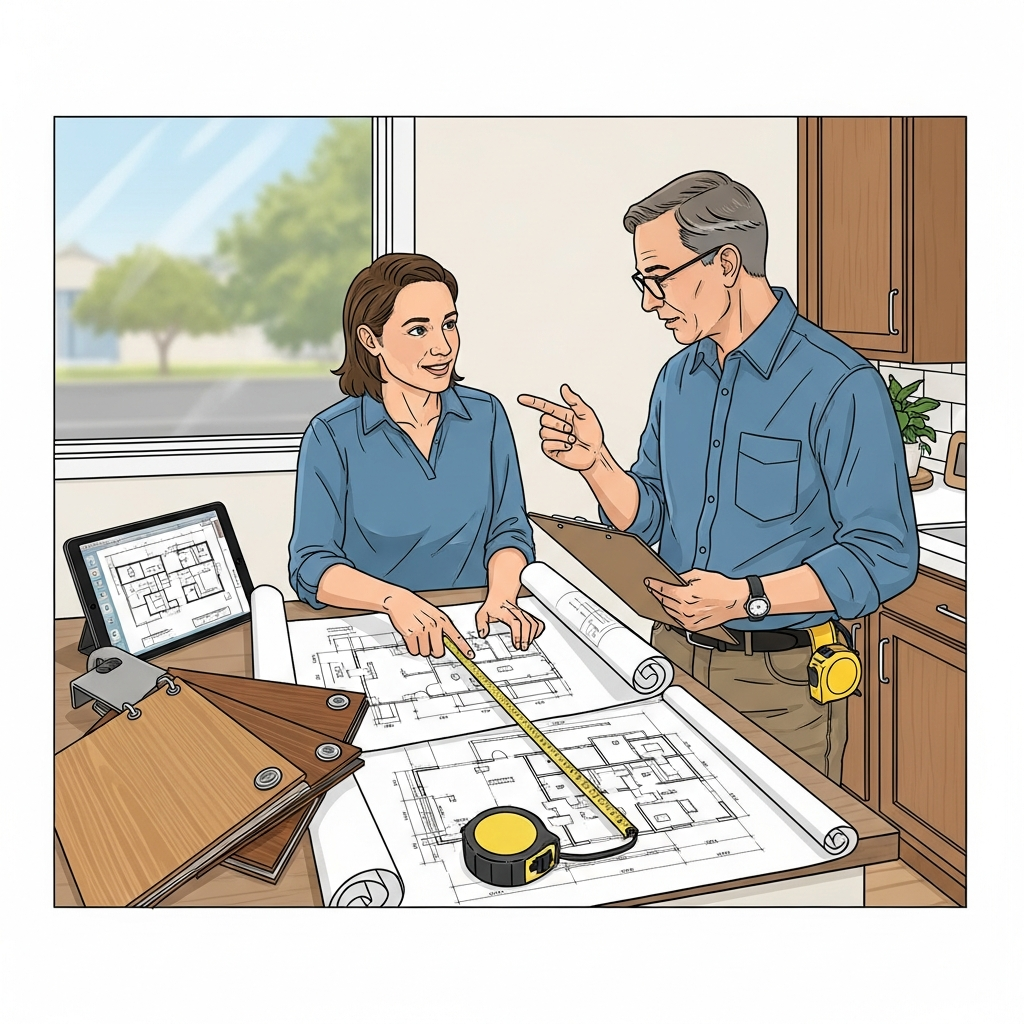
Kitchen remodels involve many moving parts. A contractor who sets a steady cadence—weekly check‑ins, shared punch lists, and milestone reviews—helps you feel in control. During design, you should see floor plans, elevations, and cabinet drawings before anything is ordered. Before rough‑in inspections, walk through the space to confirm exact outlet locations, lighting switch positions, and vent paths. Before countertops are templated, verify overhangs and edge profiles. Clear checkpoints reduce change orders and deliver a kitchen that aligns with how you actually cook and live.
Technology can make this smooth. Photo updates, cloud‑based selection sheets, and simple project dashboards keep everyone aligned. But tools are only as good as the people using them; look for teams that combine tech with a personal touch, so questions get answered quickly and decisions never stall.
Permitting with Alameda County: practical expectations
Because San Lorenzo is unincorporated, your contractor will work with Alameda County for building permits. Projects that touch electrical, plumbing, mechanical, or structure need permits and inspections. Good contractors prepare accurate drawings, coordinate engineering when removing walls, and plan for energy and green building requirements. They’ll also schedule inspections in a logical sequence and communicate results so you’re never guessing. Ask prospective teams to describe their most recent county plan check experience and how they handle comments—clear answers here are a strong indicator of professionalism.
Also consider neighborhood factors. If exterior changes are part of the work, there may be homeowners’ association or neighborhood review requirements. A contractor accustomed to these processes will help you assemble submittals and communicate with review boards, smoothing the path to approval.
Materials, lead times, and keeping momentum
Cabinets, appliances, and countertops are the big schedule drivers. Experienced contractors lock selections early, order long‑lead items well before demo, and sequence work so trades aren’t idle while waiting for materials. Ask how they handle backorders or discontinued items—do they have preferred alternatives? How will they communicate impacts on the timeline? The answers will tell you whether the team can adapt without compromising quality.
Site readiness matters just as much as procurement. Before demo, a meticulous team documents existing conditions, confirms measurements, and verifies appliance specs. During rough‑in, they coordinate electricians and plumbers so walls only close once everything is correct. When it’s time for finishes, they protect installed elements to avoid damage. Momentum is a product of planning.
Evaluating craftsmanship up close
When you tour past projects or view detailed photos, look beyond the big picture. Inspect the miters on trim, the alignment of cabinet doors, the consistency of tile grout joints, and the accuracy of outlet placements in backsplashes. Check transitions at flooring and the scribe where cabinets meet uneven walls. Small details are windows into how the team solves problems you can’t see—like framing straight and plumb, or shimming cabinets for level.
Ask about punch‑list culture. Do they invite a thorough walkthrough before substantial completion? How do they document and resolve small items? A team that embraces finishing details will likely care about your kitchen long after the final inspection.
Budget transparency without surprises
Even though you’re not fixated on line‑item math, you deserve clarity about how decisions move the needle. A candid contractor will explain how layout changes, cabinet tiers, appliance choices, and surface selections shape your overall investment. They’ll talk openly about contingency for the unknowns behind walls, and they’ll distinguish between must‑do upgrades for safety or code and nice‑to‑have features that can wait. This kind of guidance helps you steer the project with confidence.
In the middle of your planning, revisit big decisions with fresh eyes. Compare two cabinet lines side by side, test appliance ergonomics, and hold sample tiles under your kitchen’s real light. A good partner will encourage this level of engagement. If you want more context as you weigh options, browsing real‑world overviews of kitchen remodeling can help you see how others balanced function, style, and timeline.
Red flags to watch for
Beware of proposals that are unusually light on detail, contractors who avoid permits for work that clearly requires them, or teams that can’t articulate a schedule beyond a single completion date. Communication gaps early on rarely improve during construction. Another warning sign is dismissing your questions or preferences; a collaborative contractor listens and explains, even when delivering hard truths about feasibility.
Payment structures should be clear and tied to milestones. You’re not chasing low numbers; you’re seeking alignment and accountability. If something in the proposal doesn’t make sense, ask for clarification. A trustworthy team will welcome the conversation.
Living through the project
Most San Lorenzo families remain in their homes during kitchen remodels. The best contractors plan protection from day one—floor coverings, dust barriers, negative air filtration, and safe pathways. They’ll help you set up a temporary kitchenette and coordinate timing around your routines. When trades arrive on schedule and respect the house, stress levels stay low. You’ll appreciate daily cleanup even more than a stunning backsplash on day one.
Aftercare and long‑term support
Your relationship with a contractor shouldn’t end at final payment. Ask how they handle warranty issues, what documentation you’ll receive for appliances and finishes, and whether they offer annual check‑ins. A team invested in long‑term support stands behind their work and treats your kitchen as a portfolio piece they’re proud to show in five years.
Frequently Asked Questions
What’s the biggest factor when choosing a kitchen remodeling contractor in San Lorenzo?
Fit and communication. You want a licensed, insured professional who understands local permitting and construction patterns, but equally important is how they listen, translate your goals into a plan, and keep you informed. The right fit turns complexity into a comfortable, collaborative process.
Should I choose design‑build or hire a separate designer and contractor?
Both approaches work. Design‑build streamlines coordination with one accountable team, which can be efficient for busy homeowners. Hiring a separate designer and contractor offers wider comparison but requires you to manage more relationships. Base the decision on how involved you want to be and the complexity of your remodel.
How many bids should I get?
Two or three is usually enough to understand value and approach without creating confusion. Make sure each proposal addresses the same scope, and evaluate clarity, communication style, and proposed schedule as carefully as the bottom line.
How do I verify licenses and insurance?
Ask for copies of their state license details, general liability certificate, and workers’ compensation coverage. A reputable contractor provides these readily and explains how coverage protects you, your property, and the crew working on site.
What should be included in the contract?
A strong agreement outlines scope, drawings, a payment schedule tied to milestones, change‑order procedures, a realistic timeline, site protections, and warranty terms. It should also specify who pulls permits, how inspections are scheduled, and how communication will be handled.
Can I live at home during the remodel?
Yes, most homeowners in San Lorenzo do. Discuss dust control, daily cleanup, safe pathways, and a temporary cooking area with your contractor. Good planning keeps the household running smoothly even when the kitchen is offline.
How do I gauge craftsmanship before hiring?
Visit completed projects if possible, or ask for detailed photo sets. Look closely at tile lines, cabinet alignment, countertop seams, and trim details. Speak with past clients about how the team handled the final punch list and any follow‑up items.
What happens if hidden issues appear during demolition?
Experienced contractors anticipate unknowns, explain options, and document changes through a clear process. A healthy contingency in your plan and open communication ensure that discoveries inside the walls become manageable adjustments rather than stressful detours.
Begin your contractor search with confidence
The right partner will respect your home, your time, and your goals while turning a dated kitchen into the heart of your San Lorenzo life. Start with conversations, ask thoughtful questions, and trust your instincts about communication and fit. When you’re ready to explore design ideas and understand how permitting and construction will unfold, schedule a consultation with a team that specializes in thoughtful kitchen remodeling and enjoys working in our community.