
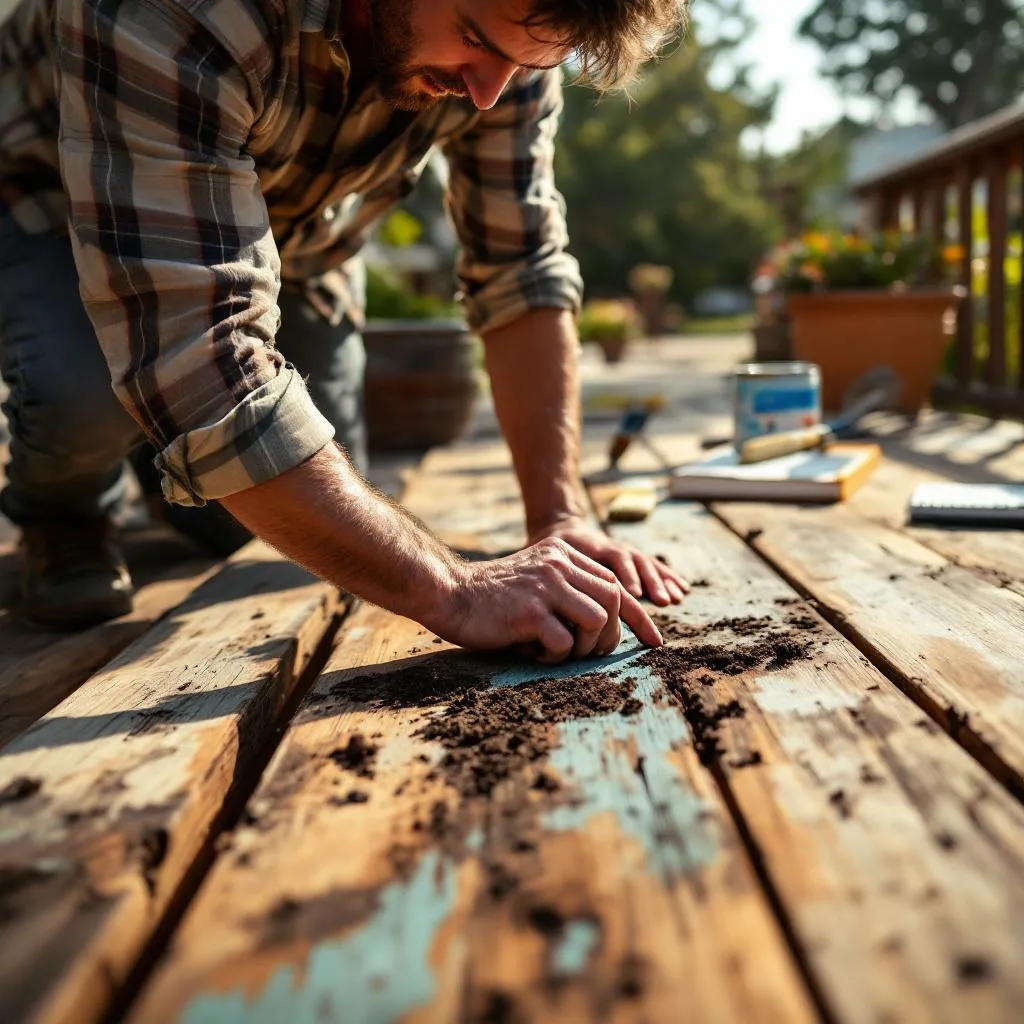
As someone who has worked on homes across our neighborhood, I know how much a well-kept outdoor space can change daily life. If you own a deck, you’ve likely heard neighbors and contractors talk about longevity and safety. For homeowners in our area, maintaining those outdoor surfaces means understanding specific challenges and practical routines. One of the best places to start is with local advice tailored to weather, materials, and common wear, which is why trusted resources like Decks in La Mesa are so helpful for planning repairs and seasonal care.
Decks in La Mesa: Why Local Climate Matters
La Mesa’s climate is generally mild, but even gentle cycles of sun, marine air, and occasional rain can accelerate wear on wood and fasteners. Sun exposure fades stain and dries wood fibers, while humidity and the rare heavy storm invite rot and mold if water is allowed to pool. When I advise clients, I emphasize observations you can make from month to month—spots that stay damp, discoloration near planter boxes, and soft areas under steps are early warning signs. Understanding these local patterns helps prioritize inspections and choose the right products for repair or protection.
Regular Maintenance Routines for Long-Lasting Decks
Creating a simple, repeatable routine is the most effective way to extend the life of a deck. Start with seasonal cleanings to remove dirt, pollen, and organic material that trap moisture. Use a gentle cleaner appropriate for the deck material and avoid harsh pressure washing that can erode wood fibers. Inspect railings, balusters, and joists for any movement or looseness, and check fasteners and brackets for corrosion. If you plan on re-staining or sealing, pick a dry period so finishes can cure properly; in La Mesa, late spring through early fall is usually ideal. I coach homeowners to keep a small log of maintenance dates so small tasks don’t turn into costly repairs.
Choosing Materials and Repairs That Work Here
Material choice affects maintenance. Natural woods like cedar and redwood age beautifully but need more regular sealing. Pressure-treated lumber can resist insects but still benefits from stain and periodic checks for splintering. Composite boards reduce routine upkeep but require attention to fasteners and support structure because water can hide problems between boards. When repairs are needed, addressing the structure beneath the decking is often more important than replacing surface boards alone. Proper flashing, ventilation beneath the deck, and attention to drainage will prevent recurring issues that local homeowners frequently face.
For guidance on material selection or to assess a repair, a local company experienced with neighborhood builds will be able to recommend approaches that suit our microclimate. If you’re weighing a refresh versus a rebuild, resources such as Decks in La Mesa can provide tailored input and help you choose durable finishes that retain curb appeal.
Practical Repair Tips from a Local Pro
Small repairs often make the biggest difference. Replace any deck board that feels soft when walked on or shows signs of splitting around fasteners. Tighten loose screws and replace rusty nails with appropriate coated fasteners to avoid future staining and loosening. Where water tends to collect near house walls or planter edges, improve slope and drainage to keep moisture away from structural members. For cosmetic wear, light sanding followed by an appropriate stain or sealer will refresh appearance and protect wood fibers. Finally, always address safety items first—loose railings and uneven steps present immediate hazards that should be fixed without delay.
Preparing for Seasonal Changes
Although La Mesa doesn’t face extreme winters, seasonal prepping is still important. Before the wetter months arrive, clear debris from gaps and under the deck, check that gutters and downspouts direct water away, and verify that stored furniture or planters are not trapping moisture on the deck surface. After the rainy season, inspect for mildew and make timely repairs to any compromised flashing or joist ends. These simple seasonal checks prevent minor issues from becoming structural problems.
Frequently Asked Questions
Q: How often should I seal or restain my deck? A: Frequency depends on material and exposure. For most wood decks in La Mesa, plan on reapplying a protective finish every two to three years, but check the surface annually for signs of wear.
Q: Can I pressure wash my deck to clean it? A: Use caution. Low-pressure washing with the correct nozzle and distance can remove grime, but high-pressure washing can damage wood fibers. I recommend gentle cleaning methods and testing a small area first.
Q: What is the best way to prevent rot under planters or against house siding? A: Elevate planters to allow airflow, use waterproof barriers at points where soil contacts wood, and ensure boards near the house have proper flashing and slope to shed water away.
Q: Is composite decking maintenance-free? A: Composite reduces some tasks like sealing and staining, but you’ll still need to clean, check for trapped moisture, and inspect fasteners and joist conditions periodically.
If you have a specific concern not covered here—sagging stairs, unusual odor beneath the deck, or visible insect damage—addressing it early saves time and preserves value. Local inspection is the best way to diagnose hidden issues and prioritize repairs.
For homeowners who prefer guidance from those who know our streets and styles, consider a local assessment. I work with neighbors regularly to plan maintenance and repairs, and when a hands-on plan is needed I often point them to reliable local resources like Decks in La Mesa to schedule an evaluation. If you’re ready to protect your outdoor living space and keep it safe and attractive for family use, reach out to an experienced local team today.
Palm Construction CA
7317 El Cajon Blvd, 178, La Mesa, CA 91942
Phone: +1 619-782-5637