As a local contractor who has stood on hundreds of backyard platforms, I know how important routine checks are for keeping families safe outdoors. When I talk with neighbors about their outdoor living spaces I always stress one phrase: Decks in La Mesa deserve regular, careful inspections because our climate and soil conditions can hide problems until they become serious. In this article I’ll walk you through a practical, step-by-step approach to spotting trouble early, with tips that make sense whether your deck is a small landing or a multi-level entertaining area.
Decks in La Mesa: How to Inspect for Safety
Start your inspection with a slow walk around and under the deck. Look for sagging sections, visible gaps between the ledger board and the house, and flashing that might be missing or corroded. I always advise homeowners to check where the deck meets the house first, because a compromised ledger is one of the most common failure points. Take note of any soft spots underfoot as you move across the deck boards; press along boards and steps to find soft rot or hollow-sounding areas that indicate decay. Pay attention to railings and balusters—if a railing moves when you apply pressure, that’s a sign the supports or fasteners have weakened and should be evaluated further.
What to Look for Underneath and Around the Structure
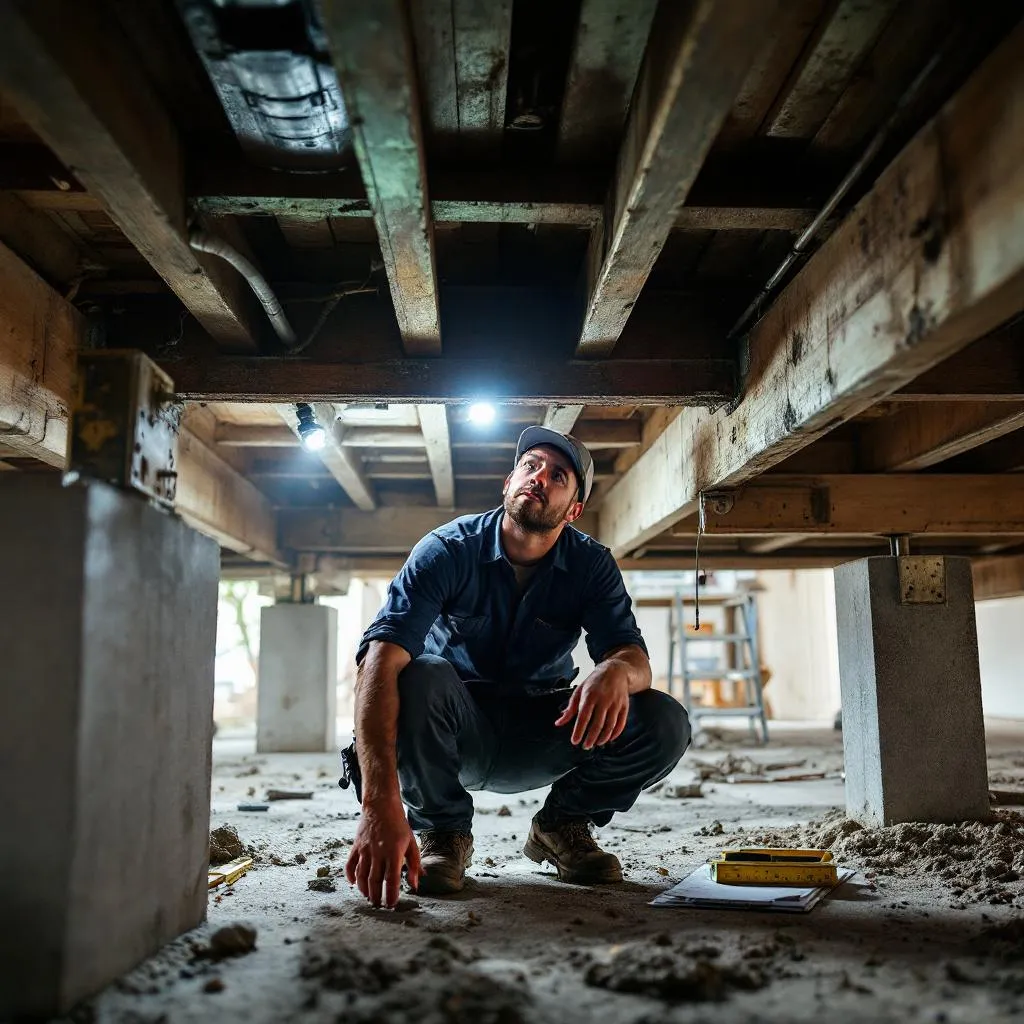
Getting under the deck gives you a clearer view of joists, beams, and post footings. Check for cracked or split lumber, corroded metal connectors, and fasteners that have backed out. In La Mesa, occasional heavy rains and dry summers can cause the ground to shift; inspect posts for any tilt or movement at the base. If the deck uses concrete piers, look for signs of soil erosion around them. I also recommend scanning for insect damage—termite or carpenter ant activity is not always obvious until it’s advanced. If you find any suspect wood, mark it and re-check it after a few days to see if deterioration is progressing quickly.
Deck Materials and Fasteners: What Age and Exposure Tell You
Different materials age differently. Pressure-treated wood can still rot if paint or sealant has failed, while composite decking shows wear differently—usually from hidden structural issues rather than the boards themselves. Inspect fasteners and connectors: galvanized hardware in our coastal-adjacent environment can corrode over time, and stainless steel is preferable for long-term durability. Look for corroded nails, missing bolts, or split holes around hardware. Tighten loose hardware and replace corroded pieces; if bolts have enlarged holes, the wood around them may be fatigued and need repair or reinforcement.
Common Safety Issues I See Locally
Over the years, I’ve noticed recurring themes: missing flashing at the ledger, undersized or improperly installed posts, and inadequate rail connections. Swollen deck boards from trapped moisture, unstable staircases, and handrails that don’t meet grip or height expectations are other frequent hazards. These are often the result of deferred maintenance or DIY work that didn’t follow modern codes. That’s why many homeowners choose professional inspections periodically—an objective review can catch things you might miss while doing routine cleaning and maintenance. If you want an expert to double-check, our team specializes in regional conditions and code specifics tied to Decks in La Mesa.
Maintenance Tips to Keep Your Deck Safe Longer
Simple maintenance goes a long way. Keep gutters and downspouts directed away from deck footings, and make sure planters and landscape soil aren’t pressed up against ledger boards. Refinish or seal wood decks on a regular schedule and replace boards that show persistent damage. Clean out debris from gaps so water can drain instead of pooling; that reduces rot and extends the life of fasteners. When you notice a problem, address the root cause rather than repeatedly patching the symptom. Preventive care is the most cost-effective way to avoid safety hazards down the line.
When to Call a Professional
If you find any signs of significant structural compromise—like a sagging platform, widespread rot, failing ledger connections, or movement at the footings—call a licensed contractor. Structural repairs often require permits and engineered solutions to correct the underlying issues safely. For rail replacements, ledger retrofits, or rebuilding porch foundations, professionals can assess load requirements and use the right connectors and flashing to prevent future failures. In La Mesa I’ve repaired decks where improper flashing led to hidden house damage; catching those issues early protects both the deck and your home.
Q: How often should I inspect my deck?
A: I recommend a quick visual check every season and a more thorough inspection at least once a year. After heavy storms or unusual weather events, do an extra check for displaced debris, clogged drainage, or new movement in posts and railings.
Q: Can I perform my own repairs if I find rot or loose fasteners?
A: Small repairs like replacing a board or tightening screws are usually fine to handle yourself if you’re comfortable with basic tools. For structural issues—especially anything involving the ledger, joists, or footings—hire a professional to ensure the fix is safe and code-compliant.
Q: What signs indicate a deck is unsafe and needs to be closed off?
A: Immediate closure is wise if you see large cracks in support posts, the deck is pulling away from the house, major sagging, or railings that fail under gentle pressure. These conditions can lead to sudden collapse and should be addressed without delay.
If you want a confident, local assessment and clear guidance on repairs or upgrades, reach out and schedule an inspection tailored to our neighborhood’s conditions. Our experience with regional materials and codes makes a real difference for homeowners who want safe outdoor spaces—especially when it comes to Decks in La Mesa. We’ll walk the site with you, explain the findings in plain terms, and recommend practical next steps to keep your deck reliable and enjoyable.
Palm Construction CA
7317 El Cajon Blvd, 178, La Mesa, CA 91942
Phone: +1 619-782-5637