
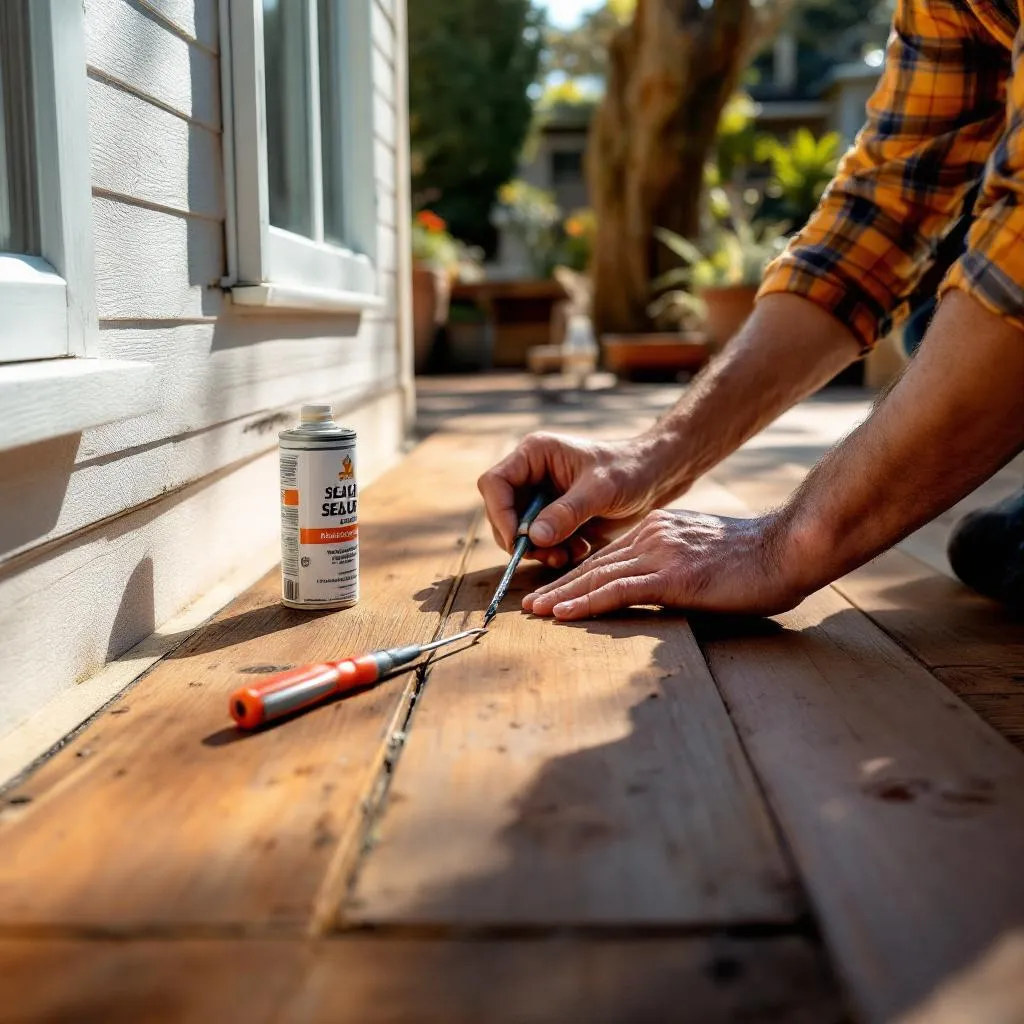
As a local remodeling pro who’s worked on countless outdoor spaces, I’ve seen firsthand what keeps a deck strong and what lets it fail. Living and working here, I know the factors that matter to homeowners on our streets: sun exposure, seasonal rains, and the occasional coastal breeze. That’s why when neighbors ask how to protect their investment I always stress routine care for Decks in San Lorenzo — it’s the single best way to extend curb appeal and avoid expensive repairs later.
Why Decks in San Lorenzo Need Special Care
San Lorenzo sits in a microclimate where warm summers and wet winters combine to stress exterior wood and composites differently than other regions. UV rays dry finishes and fade stain, while winter rains bring trapped moisture and sometimes surface mold. Older fastening systems can loosen over time if not checked, and subtle grade issues near the house can create damp pockets that shorten a deck’s life. My experience remodeling bathrooms taught me to think about moisture control, and the same mindset applies to decks: address small water problems before they become structural issues.
Assessing Your Deck: What I Look For First
The first time I inspect a deck I walk the entire surface, listening for soft spots, testing railings for wobble, and scanning for warped boards or exposed fasteners. Pay attention to where the deck meets the house and check flashing or gaps that can let water into the ledger. Look under the deck for signs of standing water or poor drainage; even a healthy-looking surface can hide rot beneath. These early observations inform whether you need targeted repairs, a reseal, or a more comprehensive renovation.
Routine Maintenance Tasks That Pay Off
Regular cleaning is one of the most effective, budget-friendly steps you can take. A seasonal wash to remove grime, pollen, and mildew keeps surfaces ready for stain or sealer and prevents buildup that can trap moisture. I recommend inspecting fasteners and railings at least once a year, tightening or replacing screws and evaluating joists for any signs of movement. Sanding and resealing wooden decks every few years preserves the finish and slows weathering. For composite decks, manufacturers often recommend surface cleaning with specific cleaners, and periodic inspection of hidden fasteners to catch any loosening early.
Material Choices and Local Considerations
When homeowners in town are considering upgrades, I discuss long-term performance rather than upfront aesthetics alone. Pressure-treated wood can be cost-effective and, when properly maintained, can last for decades. Cedar and redwood have natural resistance to rot but still benefit from regular sealing. Composite materials reduce some maintenance tasks but require attention to expansion gaps and manufacturer care guidelines. Whatever material you choose, consider sun exposure, how close vegetation is, and how runoff from your roof and gutters affects the deck. Mid-project, I often refer clients to trusted local services like Decks in San Lorenzo for specialized installation and material advice that suits our neighborhood climate.
Addressing Common Problems Before They Escalate
Small cracks, slipped board edges, or a loose stair tread are all signs that quicker action is needed. Left unattended, these issues can lead to larger structural problems. For example, a failing ledger due to inadequate flashing can allow water into the house framing. I always recommend addressing flashing and ledger connections first, then removing and replacing any suspect boards. If you notice persistent mildew or mold, a deeper clean and improved airflow beneath the deck might be necessary. Often, simple changes to grading or gutter direction improve conditions dramatically.
Seasonal Timing and Practical Tips
Timing maintenance around San Lorenzo’s weather makes the work more effective. Plan sealing and staining for late spring or early summer when temperatures are warm and rainfall is less likely for at least 48 hours. Clean and inspect after fall leaf drop so debris doesn’t sit through winter. For any major repairs, schedule work on dry days to ensure fasteners and sealants cure properly. I also advise homeowners to keep planters elevated and to avoid covering deck boards with plastic for long periods, as trapped moisture accelerates decay.
Frequently Asked Questions
Q: How often should I seal or stain my deck? A: The frequency depends on material and exposure, but many wood decks benefit from resealing or restaining every two to three years; composites typically need less frequent attention.
Q: Can I power wash my deck? A: Yes, but use a low-pressure setting and keep the nozzle moving to avoid gouging wood. Test a small area first and follow with sanding if needed before refinishing.
Q: What signs suggest a deck needs professional repair? A: Soft or sagging boards, significant wobble in railings, or visible rust and deterioration at fastener points are all good reasons to call a pro.
Q: Is it better to replace or repair? A: If rot is widespread or underlying structural elements are compromised, replacement may be more cost-effective long term. Targeted repairs can extend life when the framing is sound.
If you want a professional assessment or tailored maintenance plan for your outdoor space, don’t wait until the next rainy season to act. I help homeowners prioritize repairs and choose finishes that work with San Lorenzo weather, and local specialists are available for installations and complex renovations. For trusted local workmanship and guidance, reach out to Decks in San Lorenzo — regular attention will protect your deck and keep it looking great for years to come.
Palm Construction CA
17259 Hesperian Blvd UNIT 7, San Lorenzo, CA 94580
Phone: +1 510-571-6388