As someone who’s spent years remodeling bathrooms and walking countless properties around our neighborhood, I see the same signs of wear on outdoor spaces as I do inside homes. Homeowners asking about safety, water intrusion and longevity often mention one phrase that tells me where to start: Decks in San Lorenzo. In this introduction I’ll share observations from local projects and practical advice to help you spot issues early and make sensible repair decisions.
Decks in San Lorenzo: Common Problems and Causes
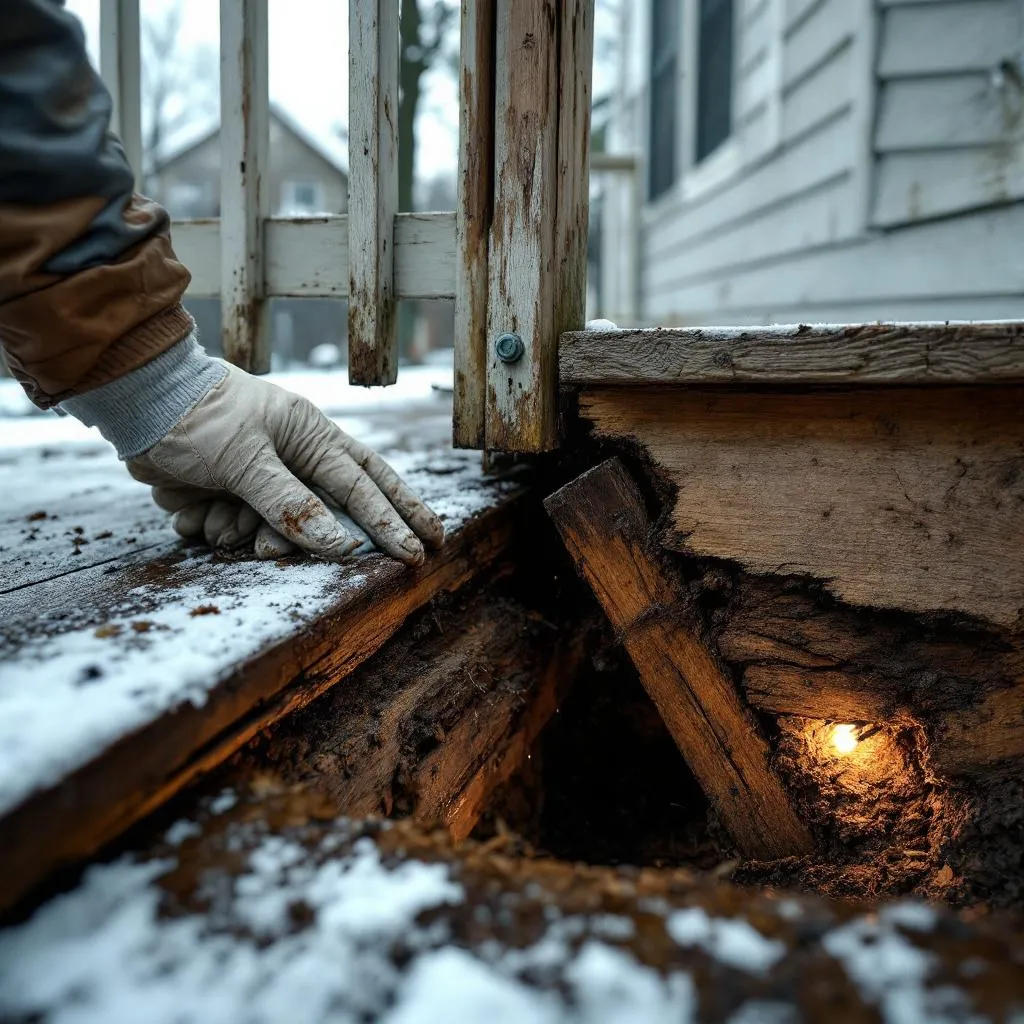
Wooden decks here take a beating from coastal moisture, summer heat, and the small but persistent microclimate effects that come from being so close to the Bay. Typical problems begin with rot, which often hides beneath a weathered surface. Fastener corrosion and loose connections follow, especially where rough cuts or poor flashing allow water to pool. I frequently find that decks without proper ledger flashing or with compromised rail attachments represent the greatest safety risks.
Rot, Moisture Entry, and Structural Decline
Rot is the silent issue that can undermine an otherwise sound structure. It usually starts where water gets trapped—at joist ends, ledger attachments, or under posts set directly on soil. From my experience working on remodeling projects, improper sealing, missing or failing flashing, and inadequate slope for water runoff are the most common culprits. When moisture sits for months, the framing softens and nails pull out more easily. That’s when a surface that once felt solid begins to flex underfoot.
Fasteners, Connectors, and Metal Corrosion
Fasteners that are not rated for exterior use, or those installed in contact with certain treated lumber, can corrode quickly in our climate. I’ve pulled boards where the screws were practically gone, leaving wide holes and weakened holding power. Metal connectors, like joist hangers and post anchors, also rust if not the right grade. Routine inspection of hardware can uncover early stages of corrosion, giving homeowners the chance to replace hardware before it becomes a structural hazard.
Surface Wear and Board Movement
Boards expand, contract and cup with seasonal changes, and that movement can lead to loose or cracked planks and uneven transitions at door sills. I often recommend checking for cupped boards and checking the gaps between boards; excessive gap variation may indicate that boards have reached the end of their service life. When surface boards fail, they not only look unattractive but can also become trip hazards that precede more serious substructure issues.
Design and Installation Shortcomings
Even well-chosen materials need thoughtful detailing. I’ve seen decks installed with inadequate ventilation under the structure, poor stair attachment, and railings that don’t meet modern load expectations. Sometimes the issue is simply that the deck was built to an older standard and never upgraded. Addressing design shortcomings early can prevent the need for full replacement and extend the deck’s safe lifespan.
When I inspect a property, I look for telltale signs: soft spots, wobbling rail posts, water stains on the house where a ledger connects, and depressed or decayed post bases. A mid-life refresh that includes replacing corroded fasteners, adding proper flashing, and sealing surfaces can prevent many of the common failures. If larger structural members show decay, then partial or full rebuilding becomes the safer option.
For homeowners interested in proactive care, regular cleaning to remove debris, ensuring water sheds away from the house, and scheduling yearly checks of rail attachments and visible hardware go a long way. Replacing boards at the outset of visible failure and addressing any water intrusion into the home are priorities I emphasize on every site visit. When the time comes for professional help, a local contractor who understands our weather patterns and common construction details will save you time and uncertainty.
Midway through this discussion it’s worth reiterating the simple steps to connect with experienced help: Decks in San Lorenzo repair and inspection by a trusted local team can clarify whether you need minor repairs or a full rebuild. Bringing a knowledgeable eye to the project prevents unnecessary work and helps you plan for a safe, long-lasting deck.
Frequently Asked Questions
Q: How can I tell if my deck needs repair or replacement? A: Look for widespread rot, sagging, unstable railings, and fasteners that no longer hold. If multiple joists are compromised or ledger connections are rotted, replacement may be the safest route.
Q: How often should I inspect my deck? A: I recommend a quick visual check each season and a more thorough inspection annually, focusing on flashing, post bases, ledger area and any signs of moisture intrusion near the house.
Q: Can small repairs extend the life of my deck? A: Yes. Replacing individual boards, upgrading corroded fasteners to stainless steel, improving drainage and adding proper flashing can significantly extend usable life when the substructure is still sound.
Q: Are composite materials better for our climate? A: Composites reduce maintenance and resist rot, but they still rely on a sound structural frame. Choosing the right fasteners and ensuring correct ventilation is essential regardless of surface material.
If you’re seeing signs of trouble or you simply want peace of mind, reach out for a focused evaluation and clear next steps. Our experience as local remodelers means we prioritize durable details and practical fixes that suit neighborhood homes and weather patterns. For inspection, repair recommendations, and trusted workmanship, consider our team and schedule a consultation by visiting Decks in San Lorenzo. We’ll help you decide whether repairs, reinforcement, or a fresh rebuild is best for your property.
Palm Construction CA
17259 Hesperian Blvd UNIT 7, San Lorenzo, CA 94580
Phone: +1 510-571-6388