
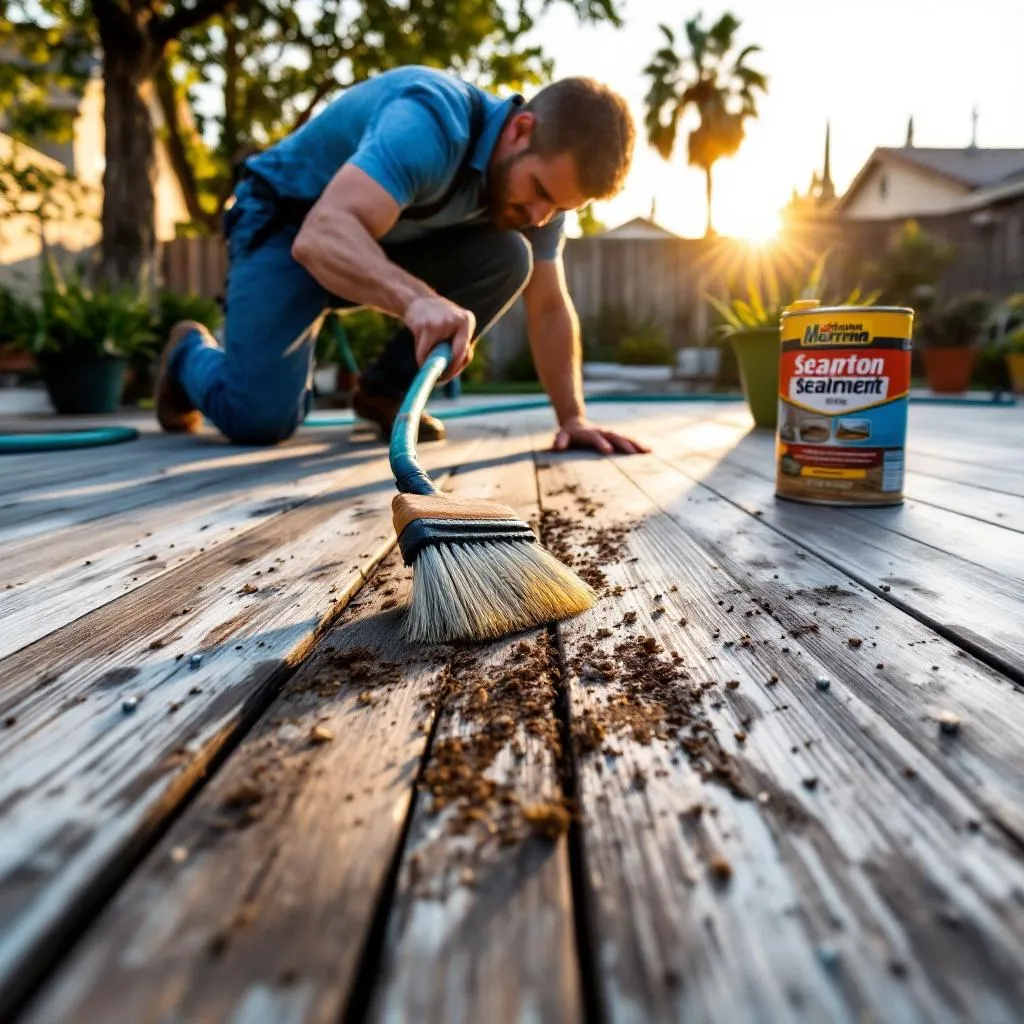
As a local contractor who has worked on homes across the valley for years, I know how much value a well-maintained outdoor space brings to daily life. If you own a deck around here, you already appreciate sunshine-filled afternoons and neighborhood barbecues, but you also face the challenges of heat, occasional rain, and seasonal winds. Early, consistent care can save hours of future repair and keep your outdoor living area safe and inviting. That begins with understanding the basics of Decks in West Covina and building a maintenance habit that fits your schedule.
Why preventative care matters for Decks in West Covina
West Covina’s climate is generous with sun and sometimes harsh with heat, which accelerates fading and drying in natural wood. A preventative approach reduces splitting, warping, and structural decay before they become costly problems. Regular attention also keeps fasteners tight, prevents moisture intrusion into joists and beams, and limits the buildup of organic matter that invites rot. On a practical level, preventative maintenance preserves the aesthetics of your deck and sustains the value of your property over time.
Routine inspections: what to look for
Start with a seasonal inspection, ideally in spring and late fall. Walk the deck and look for soft spots or spongy areas underfoot, which often indicate rot. Check railings and stairs for wobble or rusted fasteners. Look at the ends of joists and ledger connections where water can collect. Small issues spotted early are usually simple to fix: tightening a screw, replacing a rotted board, or resealing a seam. Keeping a photo log of problem areas helps you track changes over time and communicates clearly if you decide to bring in a pro.
Cleaning and surface care
Cleaning is the easiest step many homeowners can take. Sweep debris regularly, and hose down the surface to remove dirt. For a deeper clean, use a gentle deck cleaner appropriate for your material and follow manufacturer instructions. Avoid powerful pressure washing on softer woods unless you have experience; it can damage fibers and create uneven surfaces. After cleaning, allow the deck to dry completely before applying any protective coatings. This practice extends the life of stains and sealants and keeps the surface even and comfortable underfoot.
Sealing, staining, and finishes
Choosing the right finish depends on the deck material and the look you want to maintain. Natural wood benefits from a UV-resistant stain or penetrating oil to slow color loss and reduce cracking. Composite decks require different care—cleaning and a manufacturer-recommended protectant are usually best. Whatever finish you choose, reapply on a schedule recommended for your product; in our climate, many wood decks need refreshing every one to three years. Proper surface care prevents water penetration and reduces the risk of structural rot.
Hardware, fasteners, and structural checks
Hardware is one of those small details that can lead to major problems if ignored. Inspect screws, nails, and connectors for rust or loosening. Replace corroded metal with stainless steel or coated fasteners designed for outdoor use. Check ledger board connections to the house and ensure flashing is intact to prevent water infiltration. If joists or beams show signs of deterioration, schedule a professional assessment—repairing structural components early keeps the deck safe for daily use.
Material choices and long-term planning
When planning future work, consider material trade-offs. Pressure-treated wood offers affordability and a classic look but requires regular maintenance. Cedar and redwood are naturally rot-resistant but still benefit from sealing. Composite materials reduce staining and sealing chores but have their own cleaning needs and can soften in extreme heat. Match your maintenance commitment to the material you choose and budget time each year for upkeep to protect your investment.
Every few years, a thorough professional inspection can catch issues you might miss. Local contractors who understand our microclimate can recommend the right products and a sustainable maintenance schedule based on your deck’s exposure and use patterns. If you prefer a hands-on approach, create a simple checklist for spring and fall to keep the work manageable and consistent. And when in doubt, reach out for help—timely fixes prevent cascading failures.
FAQ
Q: How often should I inspect my deck?
A: Inspect at least twice a year—spring and fall—and after any major storms or unusual weather events. Frequent checks help you spot problems early.
Q: Can I use a power washer on my wooden deck?
A: Use caution. Low-pressure washing with a wide nozzle and moderate distance is acceptable for many decks, but high-pressure settings can damage wood fibers. When in doubt, use a gentle cleaner and soft-bristle brush or consult a pro.
Q: What signs indicate rot or structural problems?
A: Soft or spongy boards, visible mold or mildew, sagging areas, and loose railings are warning signs. If you find decay at ledger connections or joists, schedule a professional assessment promptly.
Q: How do I choose between wood and composite materials?
A: Think about maintenance tolerance and aesthetic preference. Wood needs more regular sealing and staining but offers a traditional natural look. Composite reduces routine finishing but requires specific cleaning and can be affected by heat. Local experience helps match choices to your lifestyle.
For many homeowners in our area, proactive attention is the difference between a deck that ages gracefully and one that needs major repairs. If you’re ready to make a practical plan or want a professional review, our team can help. Explore options and schedule a consultation to protect your outdoor living space with expertise focused on local conditions: Decks in West Covina.
Palm Construction CA
1730 W Cameron Ave #200, West Covina, CA 91790
Phone: +1 562-625-2600