As a local remodeling professional who has worked on countless outdoor spaces, I often get asked about timing and frequency for deck checks. If you have Decks in West Covina, the city’s climate, seasonal storms, and local pests all play into when you should call in a pro. This article walks through sensible inspection timing, what inspectors look for, and how homeowners can spot issues early so their outdoor living areas remain safe and enjoyable.
Why regular inspections matter for Decks in West Covina
West Covina sits in a part of Southern California where the sun, occasional heavy rains, and wood-loving pests like termites and wood-boring beetles can accelerate wear. Regular inspections catch hidden problems before they become hazards. A structurally compromised deck is more than an eyesore: it is a safety risk for families and guests. From loose fasteners and rotted ledger boards to compromised railings, timely assessments protect both value and safety. As someone who has repaired many decks after issues were ignored, I can tell you that prevention always beats emergency repairs.
Seasonal timing and weather triggers
Timing an inspection often depends on the seasons and recent weather. After heavy rains or a sustained heatwave, materials can expand, contract, or retain moisture in ways that reveal weaknesses. Spring is an excellent time for a general check because winter moisture and the first heavy rains have settled in, and you can address issues before summer entertaining starts. Likewise, a quick inspection after any significant storm or after noticeable shifts in temperature helps identify posts, beams, and fasteners that have been stressed.
Signs to watch for between professional inspections
Homeowners can monitor a few telltale signs that indicate an inspection is due. Look for wobbling railings, soft spots in decking underfoot, outward-leaning stairs, and rusted or missing fasteners. Gaps that suddenly appear between boards or between ledger and house, as well as persistent moisture staining at connection points, are red flags. If you notice any of these, schedule a professional inspection so small problems don’t cascade into larger structural failures.
What a professional inspection covers
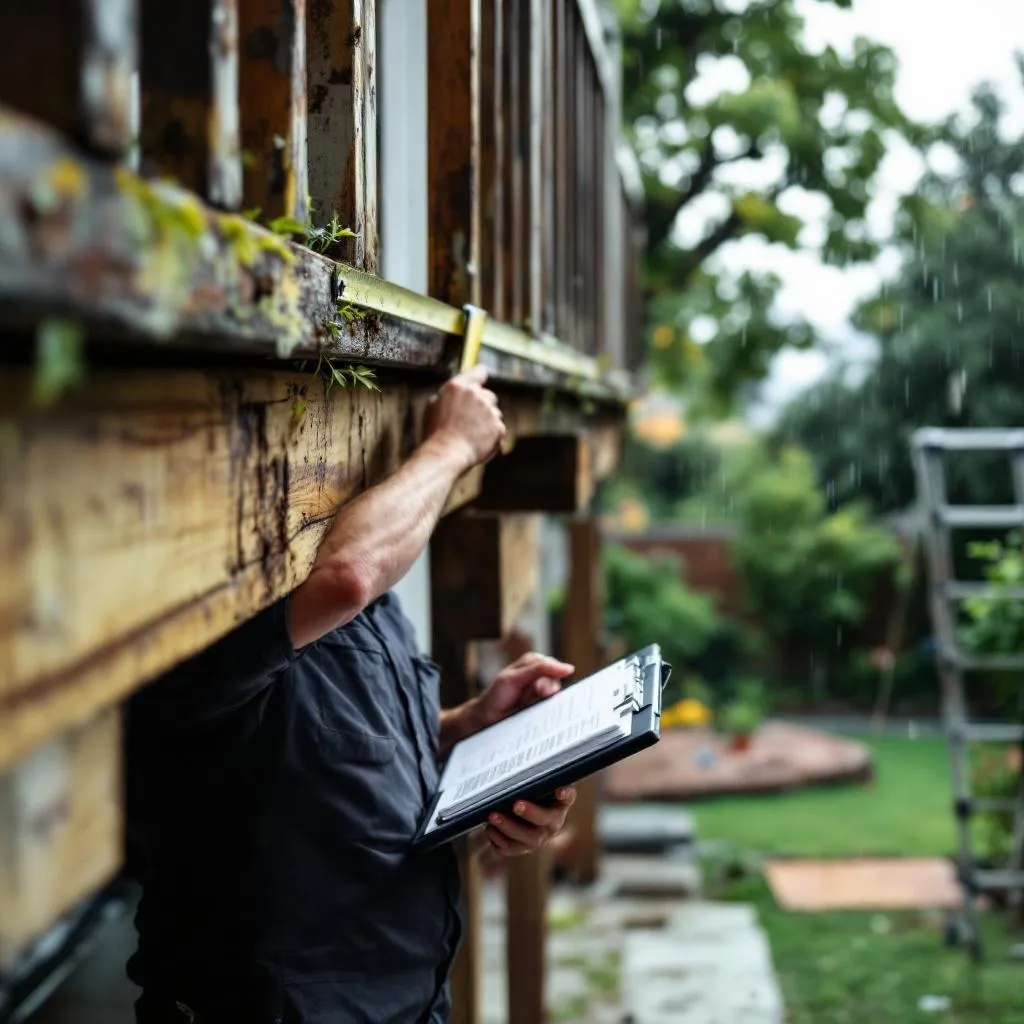
When a licensed inspector comes out, they don’t just look at the surface. A thorough inspection checks the ledger connection to the house, the condition of joists and beams, the integrity of support posts and footings, and the state of railings and stairs. Fasteners and connectors are examined for corrosion and correct placement, while the inspector also evaluates drainage and ventilation that affect wood longevity. For homeowners interested in upgrades, an inspector will note whether the deck meets current safety codes and recommend improvements to extend its life.
How often to schedule inspections
For most homeowners here, an inspection every one to two years is reasonable, though high-traffic decks or those exposed to harsher conditions may need more frequent attention. Newly built decks should have an initial inspection within the first year to catch any settling or installation issues. If your property is older or you suspect insect activity, you might want annual checks. My approach when advising clients is to balance risk factors — climate exposure, wood type, and usage — and then set a practical schedule that minimizes surprises.
For those exploring improvements or thinking about preservation, our local experience shows that preventive maintenance like sealing, replacing compromised boards, and updating hardware can add many years to a deck’s usable life. If you’re unsure where to start, a targeted inspection can prioritize the most critical fixes and outline a maintenance plan that fits your lifestyle.
Midway through an inspection process, homeowners often ask where to go for trusted help. If you’re in the area and want experienced professionals who understand local conditions, consider contacting Decks in West Covina to discuss an inspection and maintenance plan tailored to your property.
Inspector qualifications and DIY limits
Not all inspectors are created equal. Choose someone with experience in deck construction and a good record of working in West Covina’s local climate. While homeowners can perform routine visual checks and simple tightening of loose screws, structural assessments — especially those involving ledger attachments or footings — are best left to licensed professionals. Mistakes in those areas can lead to code violations or safety hazards that are costly to correct.
FAQ
How soon after a storm should I schedule an inspection?
Schedule an inspection as soon as you notice visible damage or within a few weeks if there were very heavy rains or wind. Prompt attention helps prevent water-related rot and identifies any displaced fasteners or connectors.
Can I inspect my deck myself?
You can conduct simple checks like testing railings and looking for soft spots, but structural concerns, ledger attachments, and footing issues require a professional assessment to ensure safety and code compliance.
What if my deck was built many years ago?
Older decks benefit from a comprehensive inspection because building codes and hardware standards have evolved. An inspector can recommend updates that improve safety and longevity without full replacement in many cases.
How long does a professional inspection take?
Most inspections take 45 minutes to two hours depending on deck size and complexity. The inspector should provide a written summary of findings and prioritized recommendations to help you plan repairs.
Ready to protect your outdoor living space?
If you want a local expert opinion on timing and next steps, reach out now. We focus on practical, long-term solutions for Decks in West Covina and can help you set a maintenance and inspection schedule that fits your needs. Early action preserves safety and extends the life of your investment—let us help you keep your deck sturdy and welcoming.
Palm Construction CA
1730 W Cameron Ave #200, West Covina, CA 91790
Phone: +1 562-625-2600