As a local remodeling expert who has worked on many outdoor projects around the neighborhood, I often get asked how homeowners can reduce the environmental impact of their outdoor living spaces. When you think about outdoor upgrades, Decks in San Lorenzo are a common and beloved improvement, but they can also be done in ways that protect our local ecosystems and extend the life of your investment. In this piece I’ll walk through practical, site-sensitive approaches that make ecological sense and keep your deck looking great in our Bay Area climate.
Decks in San Lorenzo: Sustainable Choices
Choosing materials and design details with the environment in mind is the first step. In San Lorenzo we deal with coastal-inland influences, occasional heavy rains, and sun that can be tough on wood. Opting for responsibly sourced wood, certified by third-party organizations, or higher-quality composite products can reduce the need for frequent replacement. Sustainable choices don’t mean sacrificing beauty; reclaimed timber, for example, brings character while keeping trees in the ground. Thoughtful selection also reduces the embedded carbon footprint and lowers long-term maintenance demands, which is good for your wallet and the planet.
Materials and Lifespan Considerations
Wood remains a favorite for its warmth, but not all wood is created equal. I recommend thinking about lifespan and maintenance when weighing options. Naturally durable species and proper sealing can extend service life, while modern composites and capped boards often resist moisture and UV damage better, reducing the frequency of repairs. From an environmental perspective, longevity is a form of sustainability: the longer a deck lasts without replacement, the less overall resource use and waste. Pay attention to fasteners and hidden structural components too; durable stainless steel or coated hardware reduces corrosion and failure over time.
Water Management, Drainage, and Site Planning
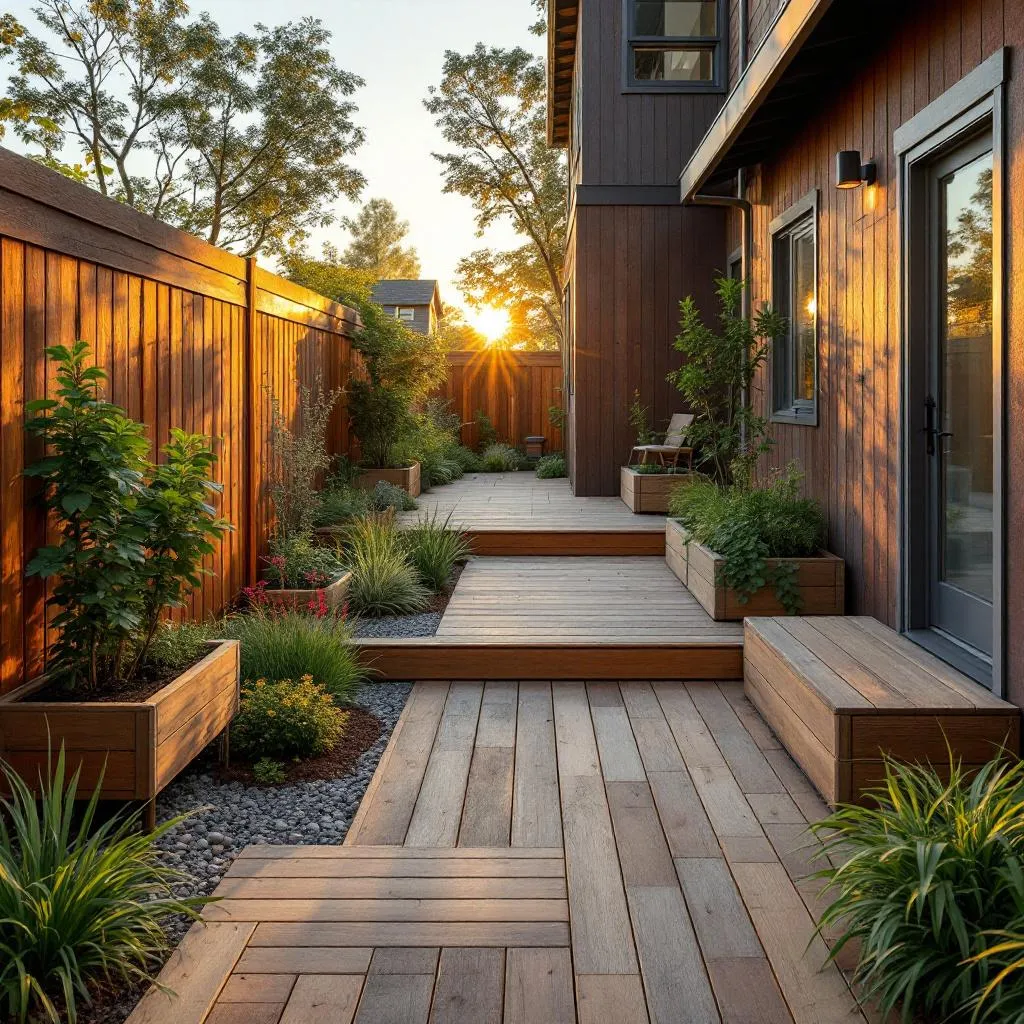
A deck’s design should work with the landscape rather than against it. Proper water management prevents run-off that can harm nearby gardens and streets. Simple strategies like ensuring proper grading, providing gaps for drainage, and routing water toward permeable areas help. Integrating planters with native, drought-tolerant species around the deck not only softens the structure visually but also improves infiltration and supports local biodiversity. I often advise clients to think of their deck as part of a broader landscape plan rather than an isolated platform.
Construction Practices and Waste Reduction
Construction choices directly impact environmental outcomes. Accurate planning reduces material waste; ordering slightly more than needed and keeping a careful inventory cuts down on off-cuts. Salvaging usable pieces for benches, steps, or garden borders is a simple way to reuse what would otherwise be discarded. When demolition is required, separating materials for recycling—metal fasteners, untreated wood, concrete—helps keep items out of the landfill. As a local contractor I always try to coordinate with salvage yards and recycling centers to divert as much as possible.
Maintenance That Extends Life and Lowers Impact
Routine upkeep is an important sustainability practice. Regular cleaning, timely sealing of wood, and inspection for loose fasteners prevent small problems from becoming replacements. Choose low-toxicity sealants and finishes whenever possible, and be mindful of runoff during application—cover plants and soil to avoid contamination. With a modest maintenance routine, you can preserve both the look and the structural integrity of a deck for many years, stretching the embodied energy invested in the original build.
Midway through a project, it’s smart to revisit goals and confirm that the chosen details still align with your sustainability objectives. If you’re exploring contractors or suppliers, look for local references and examples of past projects. Working with professionals who understand San Lorenzo’s microclimate and codes speeds construction and minimizes rework. If you want local expertise, consider professionals who specialize in Decks in San Lorenzo and can offer material selections tailored to our neighborhood conditions.
End-of-Life Planning and Responsible Disposal
No structure lasts forever, so planning for disassembly and end-of-life reuse is part of a responsible approach. Design for disassembly by using reversible fasteners and avoiding permanent adhesives where possible. This makes it easier to salvage boards or hardware and reduces waste when renovation or replacement is necessary. Even composites have evolving recycling streams; ask suppliers about take-back programs or local facilities that accept your materials when the time comes.
Permits, Codes, and Neighborhood Considerations
Following local codes is both a legal requirement and an environmental safeguard. Proper permits ensure that structural, drainage, and setback requirements have been reviewed, protecting you and your neighbors from unintended consequences. Community-sensitive design also considers sight lines, privacy, and how a deck affects stormwater flow to neighboring properties. A thorough plan reduces surprises and keeps the neighborhood resilient during heavy weather events.
FAQ
Q: How can I make my deck more environmentally friendly without a full rebuild? A: Focus on maintenance, replace only the damaged boards with sustainable alternatives, use low-toxicity finishes, and add rain gardens or permeable borders to manage runoff.
Q: Are composite decks more sustainable than wood? A: It depends on the product and its lifecycle. Composites can offer long life and low maintenance, but sourcing, manufacturing, and end-of-life options vary—ask suppliers about recycled content and recycling programs.
Q: Do I need a permit to build or modify a deck in San Lorenzo? A: Most structural changes do require permits. Check with the city for current requirements or consult a local contractor who handles permitting.
Bringing this to life for your home
If you’re ready to balance beauty, function, and environmental responsibility, working with a local team who understands the specifics of San Lorenzo is a smart next step. We specialize in tailoring designs to microclimates, recommending low-impact materials, and planning for long-term durability. Reach out to discuss options for sustainable upgrades and practical maintenance strategies—our experience with Decks in San Lorenzo makes it easy to choose solutions that last while minimizing environmental impact.
Palm Construction CA
17259 Hesperian Blvd UNIT 7, San Lorenzo, CA 94580
Phone: +1 510-571-6388