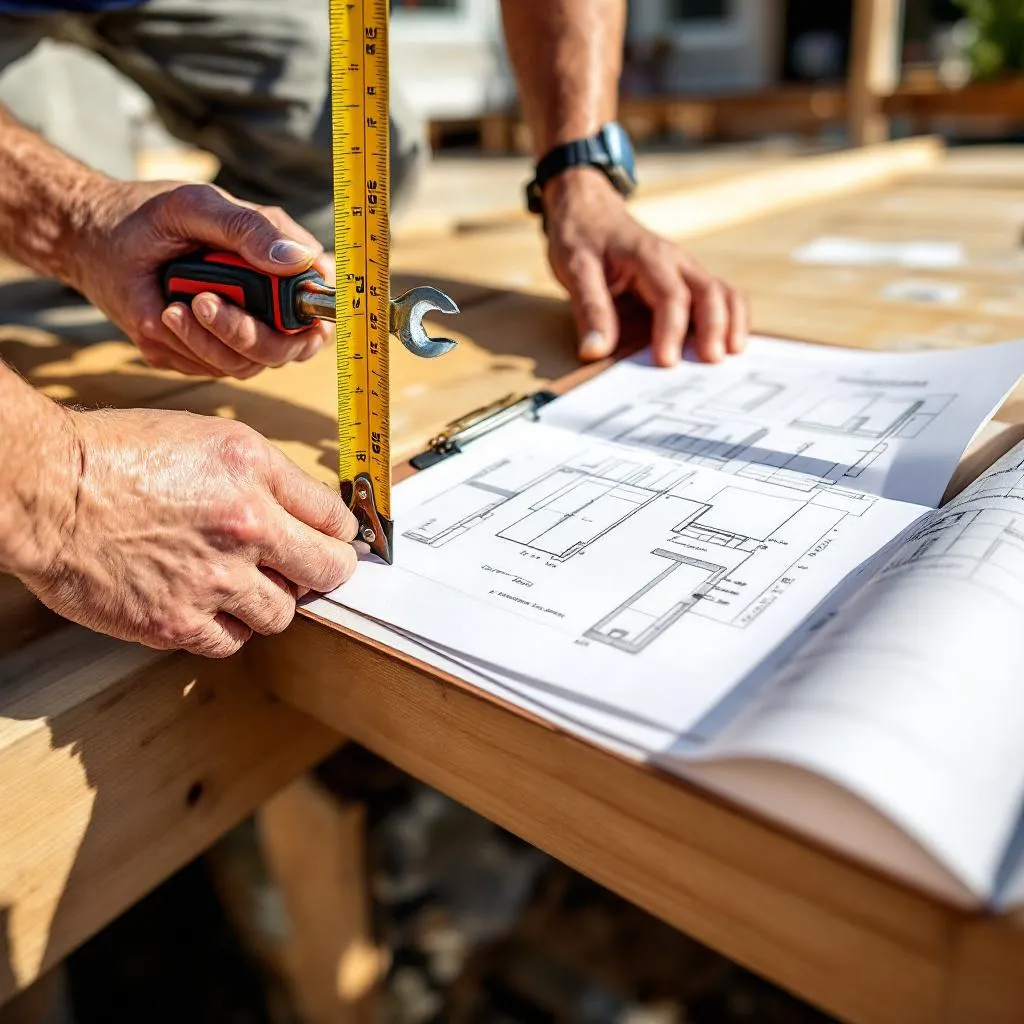
As someone who has spent years remodeling homes and supervising outdoor projects in our neighborhood, I know how important safe, code-compliant outdoor living spaces are to families here. If you own a property in the area, understanding the expectations for Decks in San Lorenzo can save you time and worry when you plan repairs, replacements, or inspections. In this article I’ll walk you through what professionals look for, how local conditions influence standards, and what you can expect during a thorough deck inspection.
Standards for Decks in San Lorenzo
San Lorenzo follows California’s building codes with some local enforcement nuances, and inspectors typically focus on structural soundness, anchorage, drainage, and safe access. A professional inspection evaluates the ledger connection to the house, the condition of joists and beams, and whether fasteners and hardware are corrosion-resistant. Because we get wet winters and humid coastal air, the standards here emphasize materials and details that resist moisture and rot so decks remain safe long-term.
Common Structural Issues I See on Local Jobs
Walking around older neighborhoods, it’s common to find decks with undersized joists, inadequate flashing between the ledger board and the house, and post footings that have settled or are poorly detailed. These are not just cosmetic problems; they compromise load paths and can lead to sudden failures if not addressed. As a trade professional, I always start by assessing the load-bearing connections and the path that transfers weight to the ground, because that tells me if a deck can continue to be used safely or needs a more involved repair.
What Inspectors Look For During an Evaluation
An inspection begins at the ledger and moves outward. The inspector checks for proper fasteners—lag screws or through-bolts rather than only nails—adequate flashing to prevent water intrusion, and whether posts are anchored to footings with code-approved hardware. Deck boards and railings are evaluated for rot, fastening patterns, and overall stability. When homeowners call for help or search for local professionals, they often look for Decks in San Lorenzo to find contractors familiar with these specific checks and local permitting practices.
Permits, Code Compliance and Local Considerations
Permit requirements can vary depending on the scope of work. Replacement of surface boards often doesn’t trigger a full permitting process, but structural repairs, ledger replacements, or raising deck height usually do. In San Lorenzo, the building department will want to see that your plans meet wind and seismic requirements, that footings reach below the frost line where applicable, and that tie-downs and hold-downs meet seismic demands. Working with a contractor who understands local enforcement speeds inspections and prevents costly rework.
Materials and Weather-Related Durability
Choosing the right materials is part of meeting professional inspection standards. Pressure-treated lumber with proper preservative retention, stainless or hot-dipped galvanized fasteners, and tight-fitting flashing are staples here. Composite decking can be an option for homeowners who want lower maintenance, but even composites need proper ventilation and fastening methods to perform. In San Lorenzo’s microclimate, ventilation beneath the deck and good drainage are crucial to prevent long-term deterioration.
Maintenance, Upgrades, and Safety Enhancements
Regular maintenance extends service life and keeps decks passing inspections. Simple actions like re-sealing where appropriate, replacing corroded hardware, and ensuring railing posts remain plumb go a long way. Upgrades such as adding guardrail reinforcement, replacing stair treads with non-slip materials, or installing integrated flashing can improve safety and satisfy inspector concerns without a full rebuild. When planning upgrades, consult with a pro who knows which changes will actually address inspection red flags.
Frequently Asked Questions
Q: How often should a deck be inspected?
A: I recommend a basic visual check each year and a professional inspection every three to five years, sooner if you notice movement, sagging, or water staining. Regular attention catches small issues before they become structural problems.
Q: Do I need a permit for deck repairs?
A: Minor surface repairs often don’t require a permit, but any work involving ledger replacement, new footings, or significant changes to the structure usually does. Always check with the San Lorenzo building department or a local contractor to confirm permitting needs before starting work.
Q: What are the most common reasons decks fail inspections?
A: Failures commonly result from inadequate ledger connections, missing or failing flashing, rotted joists or posts, and corroded fasteners. Railings and stairs that don’t meet height or load requirements also lead to failed inspections.
Planning Next Steps for Your Deck
If your deck needs attention, start by booking a professional inspection so you get a clear list of priorities. A qualified inspector provides documentation you can use for permits and helps you plan repairs that conform to both state code and local San Lorenzo nuances. When you’re ready to move forward, local professionals are familiar with the specific challenges of our area and can advise on materials and details that hold up over time. For help from experienced craftsmen who understand our community and the technical standards, look for Decks in San Lorenzo and ask about a comprehensive assessment tailored to your property.
Palm Construction CA
17259 Hesperian Blvd UNIT 7, San Lorenzo, CA 94580
Phone: +1 510-571-6388